All Saints
 This weekend we celebrate the feasts of All Saints and All Souls. These two feasts fall back-to-back on the liturgical calendar and focus on the departed by first inviting us to entreat prayers from the saints and then to pray for all fallen souls.
The distinction between saints and everyone else is an important one. The root behind our English word saint is the Latin sanctus which means “sacred” or “holy.” The fundamental underlying concept of holiness is being set apart. Throughout the Old Testament, things that were holy were set aside or separated from other things. Some examples include the sabbath, a day set aside from other days; the Temple, a space set apart for worship of God; and even the people themselves, a holy people set apart for God and ultimately called saints. We cannot be holy without being set apart, different, and out of place. The saints are people whose lives have been correspondingly separate and different from ordinary people as a direct result of their relationship with God.
Most important to keep in mind this time of year is that all Christians are called to be saints, to be holy people set apart for God. Where do you see yourself as set apart? Where could you benefit from drawing some boundaries and creating separation?
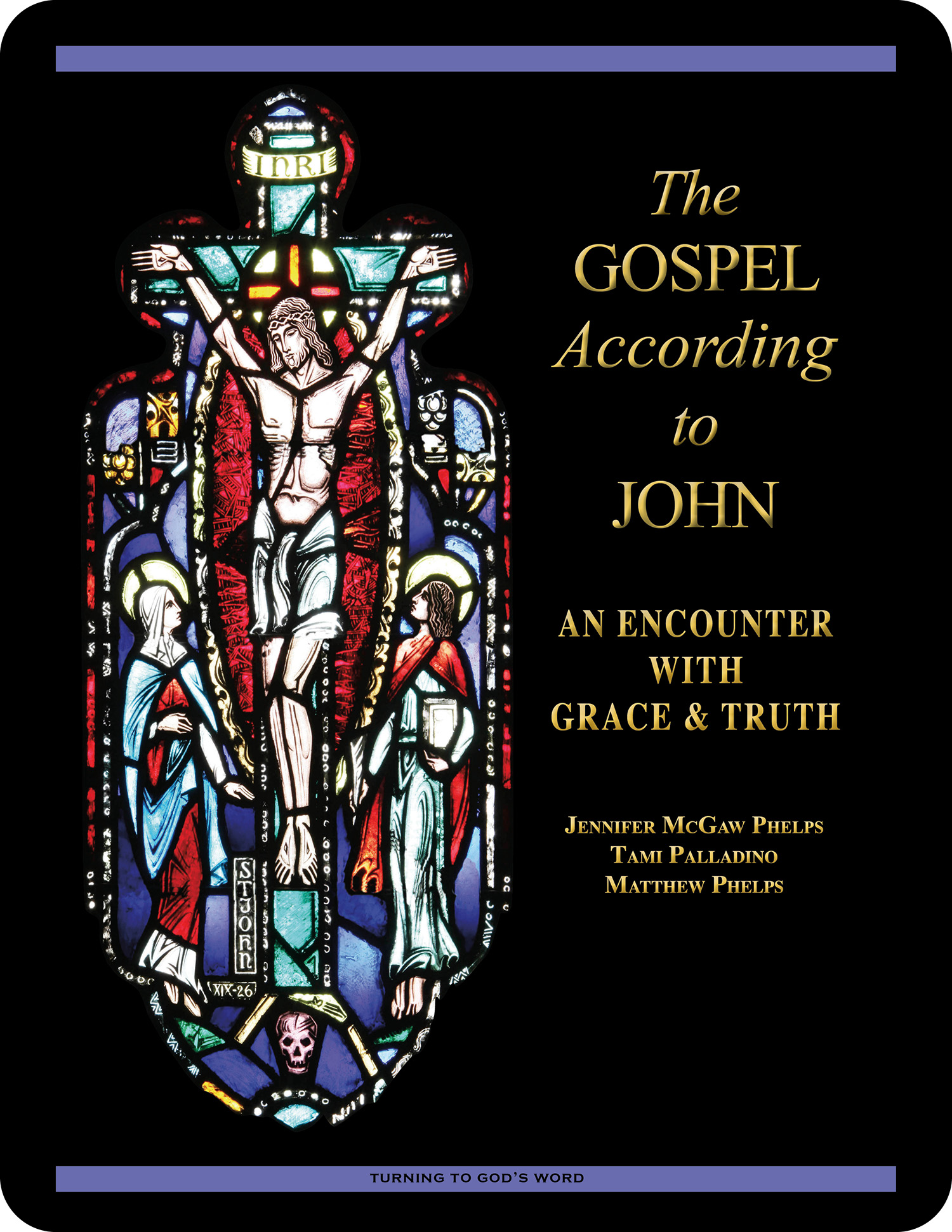 The Gospel According to John: An Encounter with Grace & Truth, a 25-lesson Catholic Bible study with an imprimatur, examines the Fourth Gospel’s view of Jesus Christ as the Son of God, with special emphasis on the institution of the sacraments of the Church as the means by which Christians are purified and made holy. This recently revised study includes maps and additional commentary, and takes a closer look at the way in which Jesus relates to individual men and women. Click here to view a sample of the first lesson.
 Click on the picture of the statue of Moses with horns (above) to learn more about Lost in Translation. A new entry is archived each Monday. Contact us to receive Lost in Translation by email every week. You may use any of the contact links on our website to ask Matthew a question.