Assumption
 The similar liturgical celebrations of the Assumption and Ascension often cause confusion. The Solemnity of the Assumption of the Blessed Virgin Mary often is confused with the Ascension of Jesus. Looking at the two Latin concepts behind the two feasts provides clarity about the differences as well as insight into the underlying theology behind both events.
The English word assumption comes from the Latin assumption, a combination of the prefix ad- meaning “toward” and the verb sumere meaning “to take.” Assumption means “taking toward.” Ascension, by contrast, comes from the Latin ascendo, a combination of the prefix ad- meaning “up” in this instance and the verb scando meaning “I climb.” Ascension means “climbing up.”
The difference in these terms highlights the theological difference between Jesus’ entry into heaven and Mary’s. Jesus ascends or climbs up to heaven while Mary is assumed or taken up. Jesus enters by his own power while his Mother is taken up by the power of another. While this distinction is theologically significant, it’s worth bearing in mind that both are incredible and describe the two ways we know of that a human has entered heaven in bodily form.
related topics: Ascension; exalt, exult, & extol; favor with God; raise up; Resurrection
you also may like our two-part study of the psalms
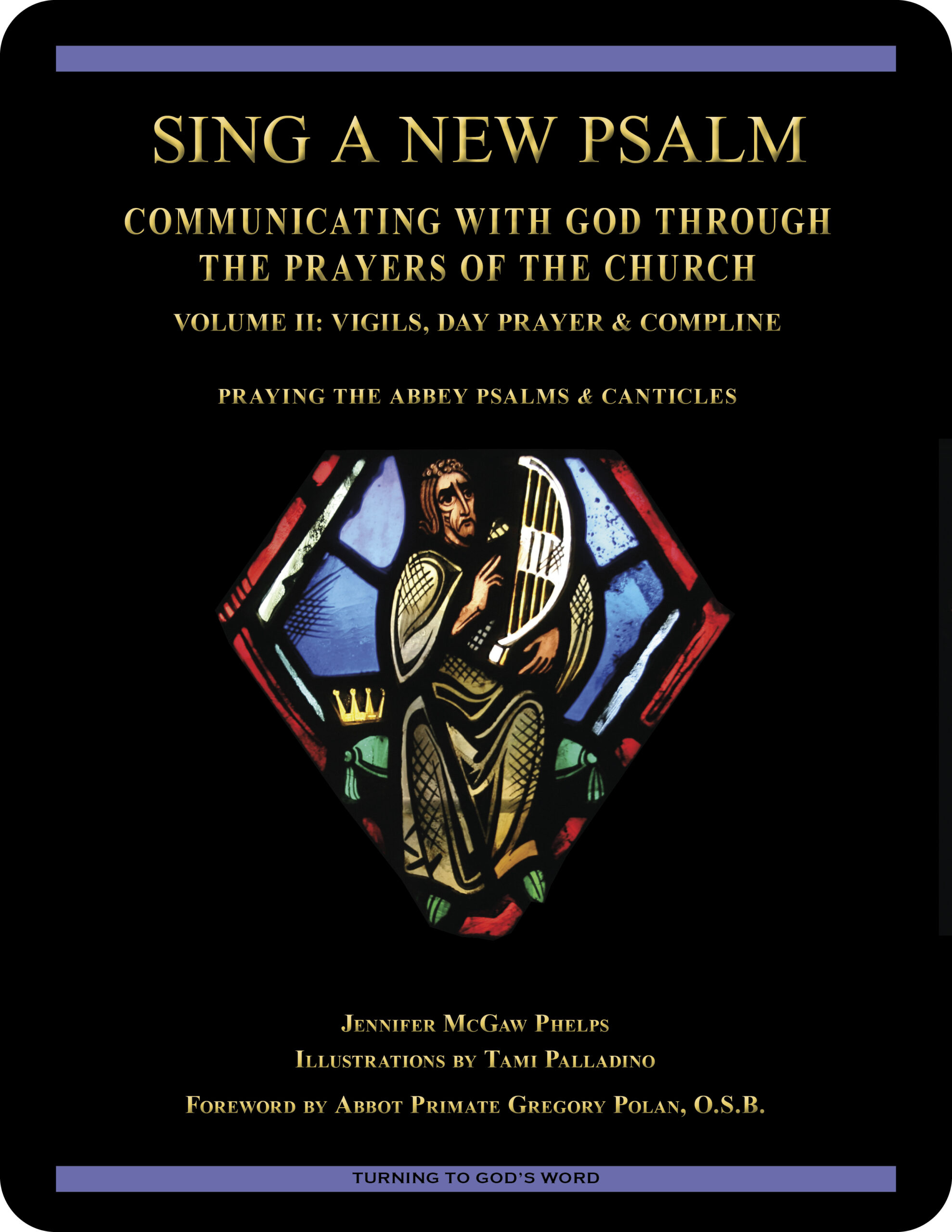
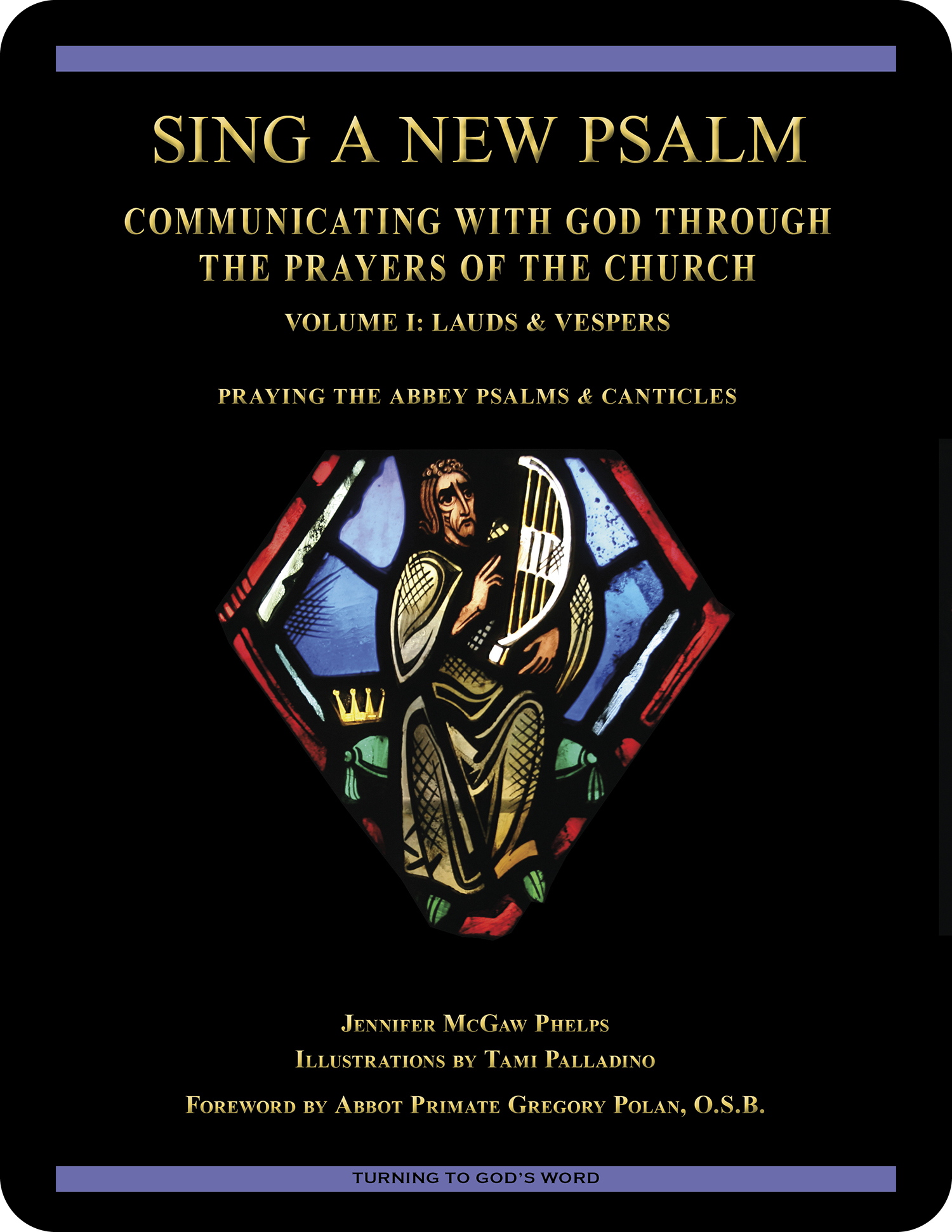 Sing a New Psalm: Communicating with God Through the Prayers of the Church provides an in-depth look at all 150 psalms based on The Abbey Psalms and Canticles, a translation prepared by the Benedictine monks of Conception Abbey and endorsed by the United States Conference of Catholic Bishops (USCCB). This translation is being included in new Liturgy of the Hours books. Volume I currently is available only in a digital format. Click on these links to view a sample first lesson from Volume I and another from Volume II.
 Click on the picture of the statue of Moses with horns (above) to learn more about Lost in Translation. A new entry is archived each Monday. Contact us to receive Lost in Translation by email every week. You may use any of the contact links on our website to ask Matthew a question.