
at hand
 We see the beginning of Jesus’ public ministry in the Gospel According to Matthew 4:12–23 (NABRE). We learn that this ministry follows the arrest of John the Baptist, and Jesus picks up where John left off with a call to repentance. In addition, in the Gospel According to Matthew 4:17 (NABRE), Jesus adds the information that “the kingdom of heaven is at hand.”
The sense of the kingdom being at hand is that it is somehow present and touchable as Jesus is speaking. The Greek text here, however, gives a slightly different sense. The Greek verb ἐγγίζω (engizo), comes from a word that means “near” and uses a verb tense that suggests the action started sometime in the past and continues through to the present time. Jesus’ message, then, is that God’s kingdom has neared and continues to be near as Jesus is speaking.
Consider what difference it might have made to Jesus’ audience whether the kingdom was present or proximate. Why might the nearness of the kingdom be a call for repentance?
you also may like our study of the Letter to the Hebrews (digital only)
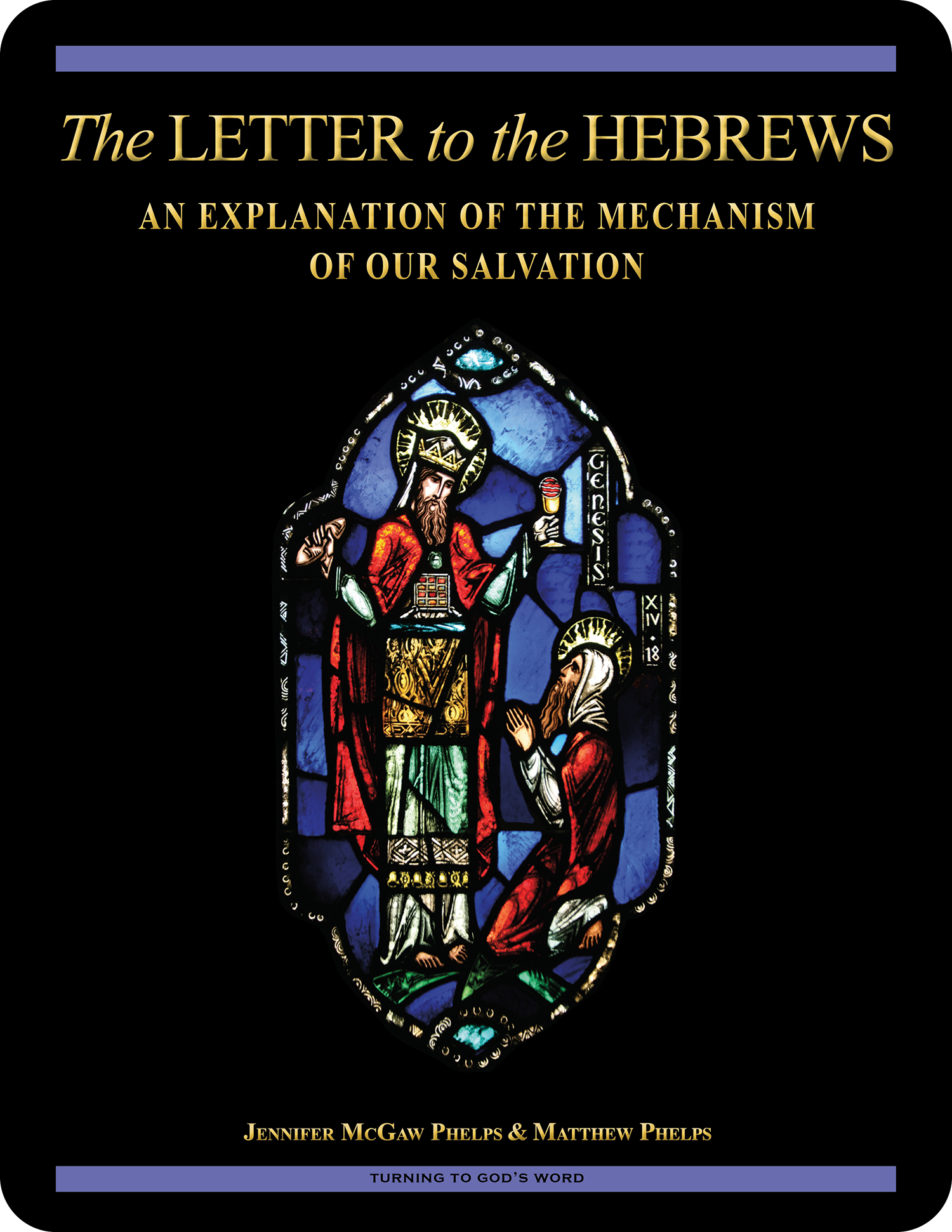 Many Christians struggle to understand one of the central mysteries of our faith: how Jesus can be both human and divine at the same time. The Letter to the Hebrews: An Explanation of the Mechanism of Our Salvation, an 18-lesson Catholic Bible study with an imprimatur, offers an in-depth look at the way in which Jesus’ dual nature allows for the salvation of humanity. The Letter to the Hebrews is designed to provide information that will encourage Christians to remain faithful. Click here to view a sample of the first lesson.
 Click on the picture of the statue of Moses with horns (above) to learn more about Lost in Translation. A new entry is archived each Monday. Contact us to receive Lost in Translation by email every week. You may use any of the contact links on our website to ask Matthew a question.