breath & life
 In the fourteenth chapter in the Gospel According to Luke (NABRE), Jesus urges that to follow him, we must hate our fathers, mothers, wives, children, brothers, sisters, and even our selves. This view of hating ourselves is potentially difficult to understand and worth unpacking a bit.
The Greek word here translated as self, ψυχή (psyche), literally means breath and refers to the vital or animating force sometimes also called the soul. It comes to be identified with the self insofar as it can be seen to make up everything essential about who we are as people.
Christ more than once in the Gospels, however, calls us to be willing to lay down this psyche or self, which at first seems odd. If I give up everything that makes me me, then what will I be? Our souls and our very selves are marred and corrupted by sin. Jesus Christ calls us to let him become the life within us and to forge a new self and a new identity in him. To do so, we must be willing to lose our existing sense of self. Are you willing to let Jesus change who you are to the very core?
related topics: life in yourself
you also may like our study of Saul, David & Solomon (digital only)
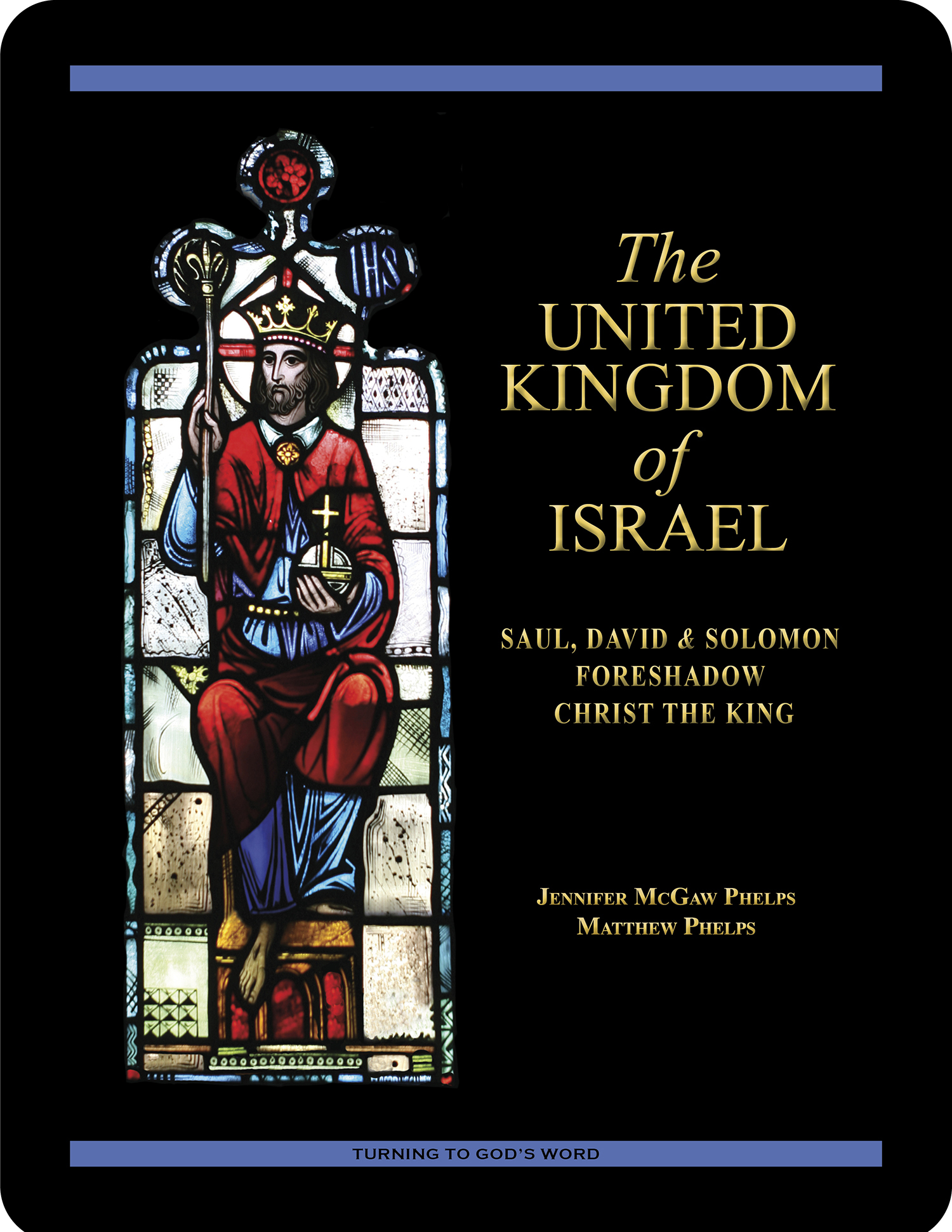 The United Kingdom of Israel: Saul, David & Solomon Foreshadow Christ the King, a 28-lesson Catholic Bible study with an imprimatur, provides an in-depth look at the First and Second Books of Samuel to learn how the lives of the monarchs Saul, David, and Solomon point ahead to the kingdom of heaven. The unified reign of King David is seen as a foreshadowing or type of the unity that is one of the four marks of the Church—the kingdom of God—established by Jesus Christ. Click here to view a sample of the first lesson
 Click on the picture of the statue of Moses with horns (above) to learn more about Lost in Translation. A new entry is archived each Monday. Contact us to receive Lost in Translation by email every week. You may use any of the contact links on our website to ask Matthew a question.