
ephphatha
 In the Gospel According to Mark 7:31–37 (NABRE), Jesus heals a man who is deaf and mute. One of the more interesting parts of this account is that it preserves in some detail how Jesus effects this healing.
Mark tells us that Jesus said the word ephphatha, a Greek rendering of the Aramaic אֶתְפָּתַח, as a part of this healing. The text also immediately tells us what the word means in Greek—”be opened.” This is significant because it suggests that there’s some inherent significance to the actual word Jesus said in the language he said it.
The Catholic Church talks about the difference between speech that is descriptive—describing or explaining something—and speech that is performative—creating the result. Marriage vows are one common view of performative speech. Similar examples can be found in the other sacraments.
Consider the implication of this text that Jesus’ words have the ability to heal a man who is deaf and mute. What does this text suggest about Jesus?
NOTE: Ephphatha is not to be confused with Ephratha (sometimes spelled Ephrath or Ephratah), which is a Hebrew name associated with Bethlehem and sometimes with Bethel. It means “fruitful.”
you also may like our study of the book of Revelation
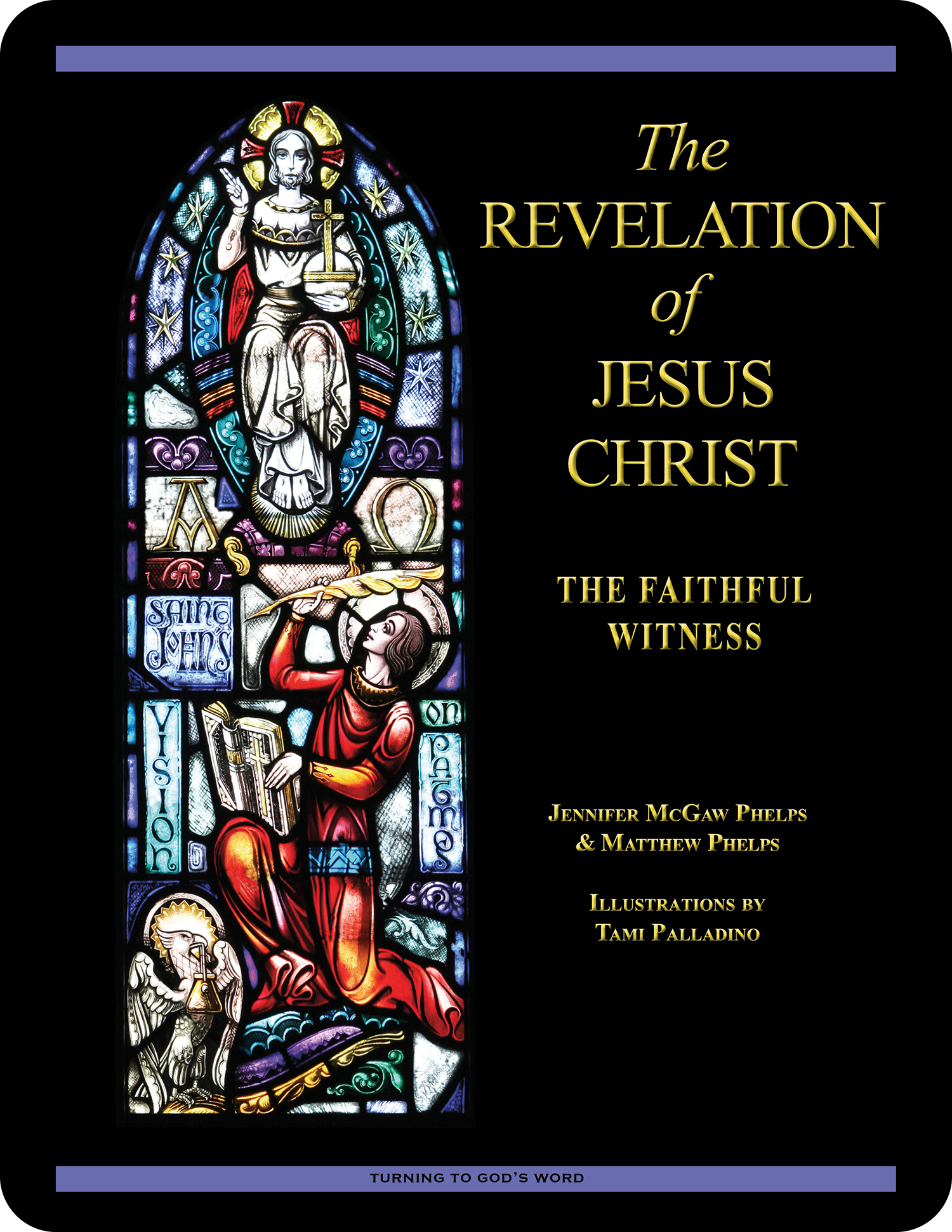 The Revelation of Jesus Christ: The Faithful Witness, a 23-lesson Catholic Bible study with an imprimatur, examines ways in which our traditional Christian view of heaven is built on Hebrew apocalyptic visions recorded in the Old Testament. This recently revised study includes maps and additional commentary and takes a close look at the role of the prophets in present-day Christianity. Illustrations by Tami Palladino depict the often-misunderstood images in the book of Revelation. Click here to view a sample of the first lesson.
 Click on the picture of the statue of Moses with horns (above) to learn more about Lost in Translation. A new entry is archived each Monday. Contact us to receive Lost in Translation by email every week. You may use any of the contact links on our website to ask Matthew a question.