
fear & awe
 In the Gospel According to Mark 4:35–41 (NABRE), Jesus calms the sea. After having done so, he rebukes his followers for having been afraid. They respond to this event by being filled with fear or awe. There’s an interesting interplay in this passage between different types of fear responses that’s easy to miss in translation.
In Jesus’ rebuke of his disciples, he asks them why they were so fearful. The word used is δειλός (deilos). This word is only used in the New Testament in three places, and each one pairs it with a sense of unbelieving. This sort of fear seems to be in some way the opposite of faith. It pulls us away from trusting in God and consumes us.
By contrast, once the storm is settled, the response the disciples feel is a different kind of fear or even awe. The Greek word used is φοβέω (phobeo). This is a much more standard word for fear. It’s used more than 90 times in the New Testament and shows up in a lot of contexts in exactly the same context we’d see the English word fear. Interestingly, this sort of fear seems to be able to contain a sense of reverence or awe that can even support and encourage faith.
Consider how fear can either lead us toward or away from God. What do you think determines which happens? How can we keep fear from damaging our relationship with God?
related topic: fear of the LORD
you also may like our free year-long study of Scripture & the Rosary (digital only)
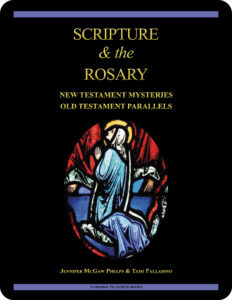 Scripture & the Rosary: New Testament Mysteries, Old Testament Parallels, a 26-lesson Catholic Bible study with an imprimatur, looks at the biblical foundations of the Rosary. The study includes lessons on Pope St. John Paul II’s Rosarium Virginis Mariae (Rosary of the Virgin Mary), the Apostles’ Creed, and the Luminous Mysteries as well as the original 15 Mysteries of the Rosary. Color photographs of stained glass windows depict key scenes in the lives of Jesus and Mary. In lieu of a sample, check out our free digital lessons.
 Click on the picture of the statue of Moses with horns (above) to learn more about Lost in Translation. A new entry is archived each Monday. Contact us to receive Lost in Translation by email every week. You may use any of the contact links on our website to ask Matthew a question.