
fear of the LORD
 A regular topic for catechesis about the Catholic faith is an explanation of the seven gifts of the Holy Spirit as found in the Book of Isaiah 11:1–3 (NABRE). Much has been said and written about these gifts, but there often still arises a significant amount of confusion about one—fear of the LORD.
The concept that we should be afraid of God and moreover that such an attitude should be a gift is a difficult idea for us to accept. Dealing with this notion leads to some fairly common and often misinterpreted views about what fear of the LORD means.
The Hebrew word used is יִרְאָה (yir’ah). This word means fear or “terror,” and as a result, the literal and most basic meaning of fear of the LORD actually is to be afraid or terrified of God. How do you think the ideas of awe and wonder—frequently substituted for fear of the LORD—might be related to the Hebrew concept of fearing the LORD?
Why do you think it is that fear of the LORD is considered by Christians to be a gift? What might be the benefit for us in experiencing fear of God? Do you think that it’s possible for us to fear and love God at the same time?
related topic: fear & awe
you also may like our study of the book of Revelation
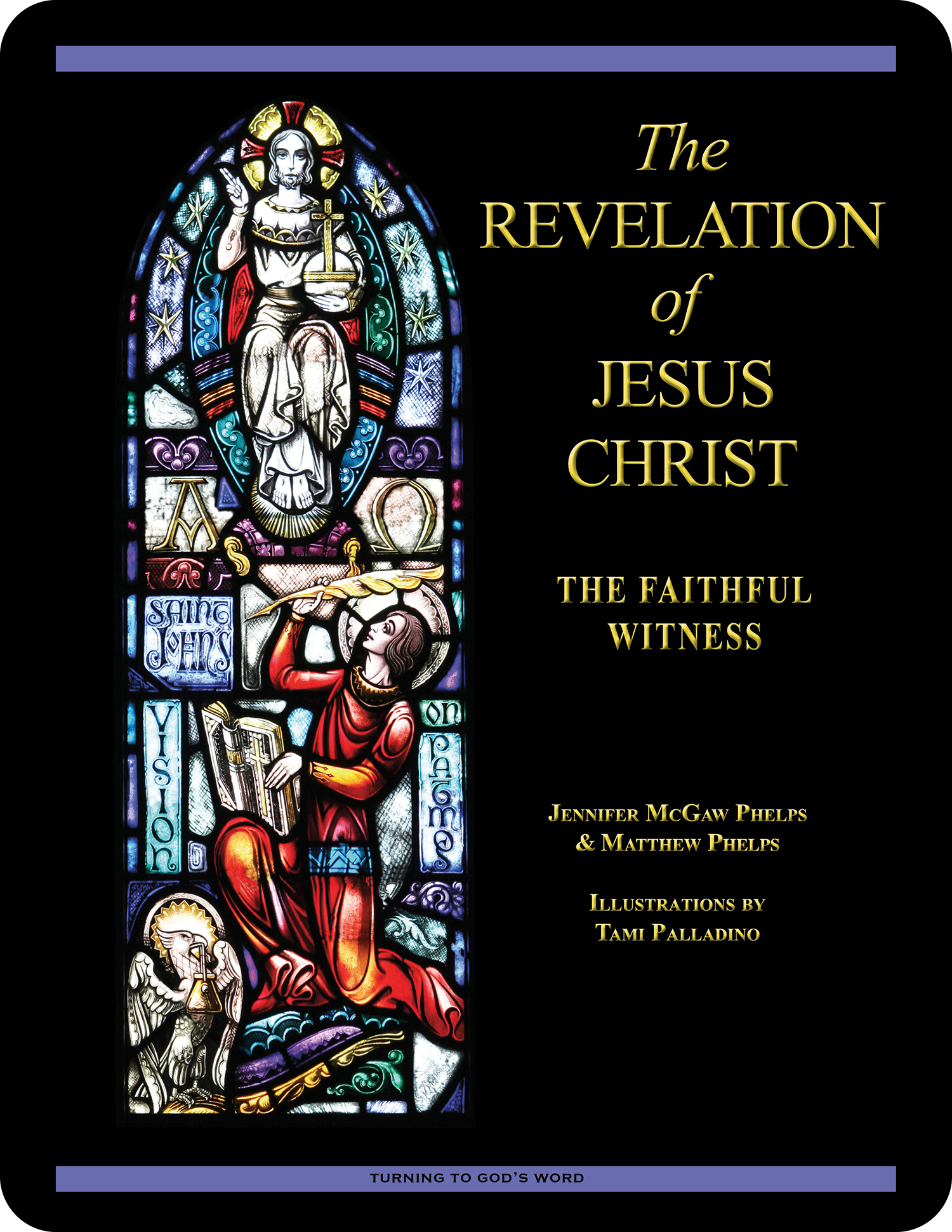 The Revelation of Jesus Christ: The Faithful Witness, a 23-lesson Catholic Bible study with an imprimatur, examines ways in which our traditional Christian view of heaven is built on Hebrew apocalyptic visions recorded in the Old Testament. This recently revised study includes maps and additional commentary and takes a close look at the role of the prophets in present-day Christianity. Illustrations by Tami Palladino depict the often-misunderstood images in the book of Revelation. Click here to view a sample of the first lesson.
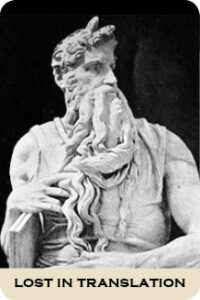
 Click on the picture of the statue of Moses with horns (above) to learn more about Lost in Translation. A new entry is archived each Monday. Contact us to receive Lost in Translation by email every week. You may use any of the contact links on our website to ask Matthew a question.