
Gentiles
 What is a Gentile? During the Easter season, readings from Acts of the Apostles focus on spreading the good news to all peoples. One of the central questions faced by the early Church was how to handle Gentiles or non-Jews.
The word Gentile comes from Latin gentilis, an adjective meaning “belonging to the same family, people, or nation.” It’s an odd twist in the development of language that this word came to be used almost as its own antonym to describe those who do not belong to the Jewish people.

The Hebrew word גוי (goy) that came to be translated as Gentile means “nation”—a similar meaning to the Latin word. In Hebrew usage, however, the nations always referred to peoples other than Israel. For much of the history of the Israelites, they were not like other peoples because they had no king, and they viewed themselves as a group of tribes rather than as a single nation. They saw the nations as being fundamentally different from themselves.
Over time, this key element of likeness or difference became more important than nationality. Being Jewish was sharing the religious history and practices of the Israelites’ Hebrew tribal ancestors. Not being Jewish was being like everyone else. The term Gentiles stuck to refer to non-Jews.
The important question faced by the early Church concerned what significance a person’s Jewish heritage had within Christianity.
you also may like our study of the book of Genesis
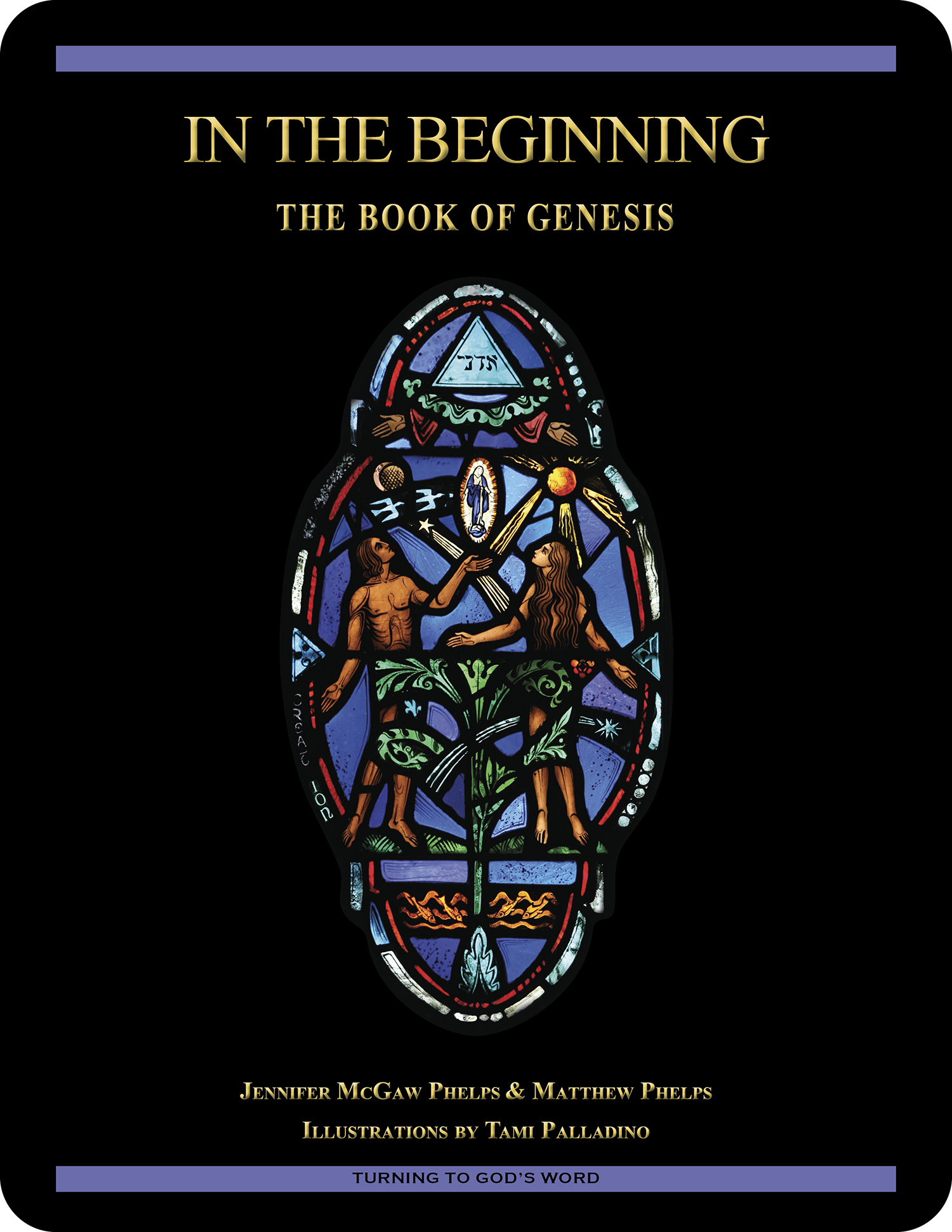 The first seven lessons of In the Beginning: The Book of Genesis, a 28-lesson Catholic Bible study with an imprimatur, provide an in-depth look at the very earliest biblical history—including the two accounts of Creation, events surrounding the Fall of Adam and Eve, the relationship between Cain and Abel, and the baptismal foreshadowing present in the account of Noah and the Flood. Remaining lessons look at lives of the patriarchs Abraham, Isaac, Jacob, and Joseph. Click here to view a sample of the first lesson.
 Click on the picture of the statue of Moses with horns (above) to learn more about Lost in Translation. A new entry is archived each Monday. Contact us to receive Lost in Translation by email every week. You may use any of the contact links on our website to ask Matthew a question.