
ghost
 In the twenty-fourth chapter of the Gospel According to Luke (NABRE), Jesus appears to his disciples for the first time after he has been raised from the dead. In the Catholic lectionary and the New American Bible Revised Edition (NABRE), the Evangelist records that at Jesus’ appearance, the disciples were afraid because they thought he might be a ghost.
The English word ghost is derived from an old English word that means “spirit.” Likewise the Greek word pneuma means “spirit.” While it’s technically correct to translate pneuma as ghost rather than spirit, the connotation can be misleading since our understanding of ghosts may not be the same as what was understood at the time the Gospel According to Luke was written.
Either way, Jesus calms the fears of his disciples by eating in front of them, something a non-corporeal entity wouldn’t have been able to do. What difference do you think it makes that Jesus is corporeal? What important point does this encounter make about the Resurrection?
related topic: demonic possession
you also may like our two-part study of the prophets
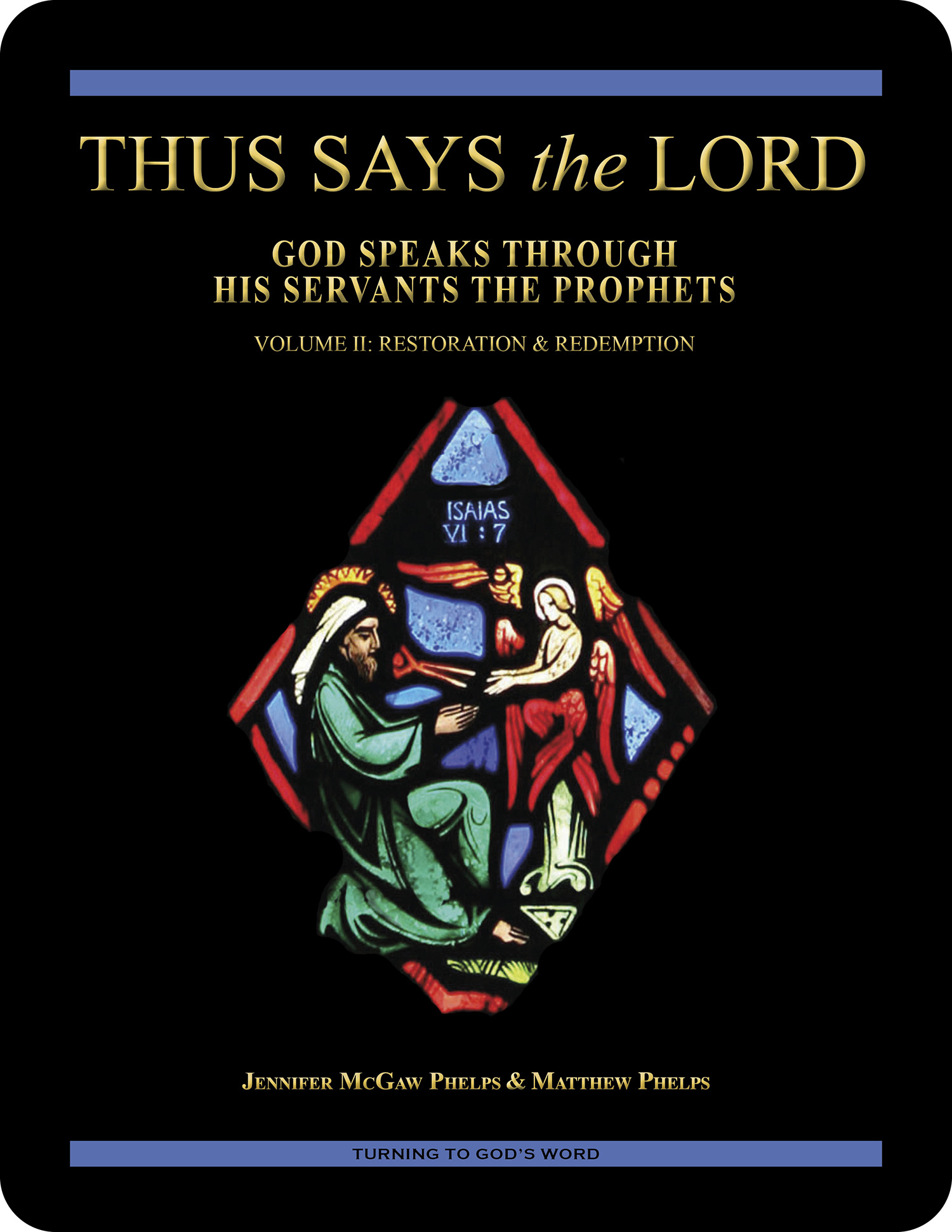
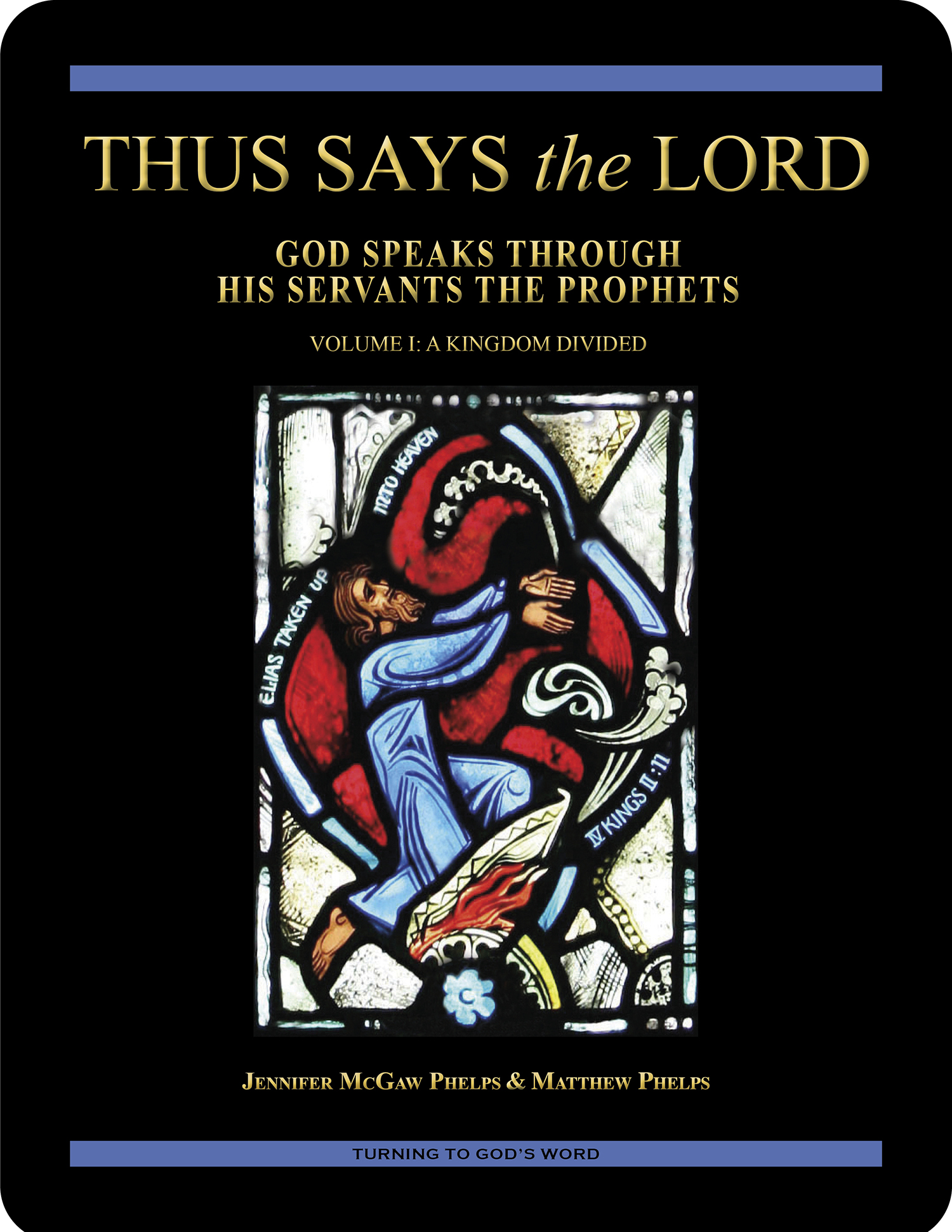 Thus Says the LORD: God Speaks Through His Servants the Prophets—Volume I: A Kingdom Divided examines the prophets in historical context using the First and Second Books of the Kings and other Old Testament passages written before the Babylonian Exile. Volume II: Restoration & Redemption looks at the post-exilic prophets. This 51-lesson Catholic Bible study builds on The United Kingdom of Israel: Saul, David & Solomon Foreshadow Christ the King. Click on these links to view a lesson from Volume I and another from Volume II.
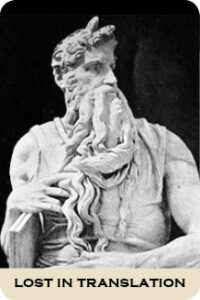
 Click on the picture of the statue of Moses with horns (above) to learn more about Lost in Translation. A new entry is archived each Monday. Contact us to receive Lost in Translation by email every week. You may use any of the contact links on our website to ask Matthew a question.