
glory
 The Gospel According to John 13:31–35 (NABRE) looks ahead to when Jesus will be glorified. What exactly does Jesus mean by that, and what is Jesus going to look like?
The Greek word δόξα (doxa) translated as glory is related to a verb meaning “to expect,” “to seem,” or “to appear.” From this meaning of appearance, the same root also comes to mean “a judgment” or “an opinion” based on how things seem or look to an observer. As such, doxa was the word used to refer to popular opinion in Greek culture—how something seems or appears. Our word orthodox comes from the same Greek root and refers to things that seem or appear straight.
An appearance-based idea of glory may at first seem odd to us in the context of God because we tend to think of God’s glory having more to do with who God is than with how God seems. The idea of glory or splendor of God being associated with the Greek word doxa comes from its use in the Septuagint, the Greek translation of the Hebrew Scriptures. This version of the Old Testament uses the word doxa to translate a Hebrew word meaning “splendor” or “brightness” having directly to do with the appearance of God.
Jesus here seems to be describing a revelation or appearance of the Son of man—God in human form—that somehow is different from how Jesus appeared before his death and Resurrection.
Consider what you think God might look like.
related topics: grace; hope; judgment
you also may like our study of the book of Genesis
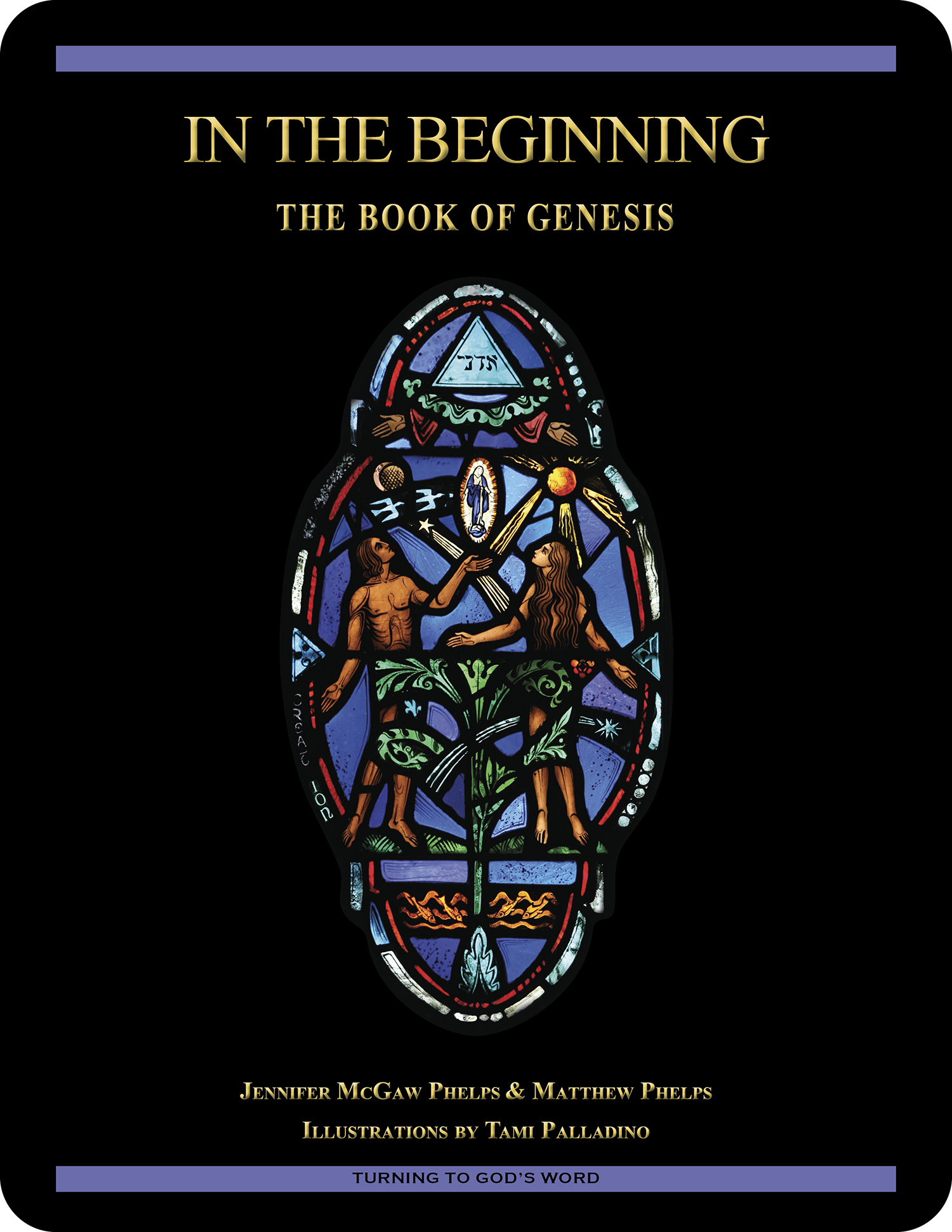 The first seven lessons of In the Beginning: The Book of Genesis, a 28-lesson Catholic Bible study with an imprimatur, provide an in-depth look at the very earliest biblical history—including the two accounts of Creation, events surrounding the Fall of Adam and Eve, the relationship between Cain and Abel, and the baptismal foreshadowing present in the account of Noah and the Flood. Remaining lessons look at lives of the patriarchs Abraham, Isaac, Jacob, and Joseph. Click here to view a sample of the first lesson.
 Click on the picture of the statue of Moses with horns (above) to learn more about Lost in Translation. A new entry is archived each Monday. Contact us to receive Lost in Translation by email every week. You may use any of the contact links on our website to ask Matthew a question.