
mercy
 In the first chapter of his First Letter of Paul to Timothy (NABRE), Paul describes how he was a blasphemer and a sinner and how God treated him mercifully—emphasizing the great mercy of God and our tremendous need before him.
The Greek word ἔλεος (eleos), “pity” or mercy, suggests kindness or good will toward the miserable or the afflicted. As we reflect on the mercy of God, we’re also called to reflect on our own state of misery and lowliness and need. Mercy is not shown to those who are not in need of it. Mercy is given to the lowly and the pitiable in society. The parable of the prodigal son in the Gospel According to Luke 15:1–32 (NABRE) shows a similar picture of someone who has been made low and is now able to ask for pity.
What these readings suggest is that we all are miserable or pitiable before God. In asking Jesus for mercy, we acknowledge that we are somehow broken and afflicted, and we implore help from our Lord.
related topics: agape; Divine Mercy; First Letter of John; First Letter of Paul to the Corinthians; jubilee pilgrimage; passion
you also may like our study of the book of Exodus
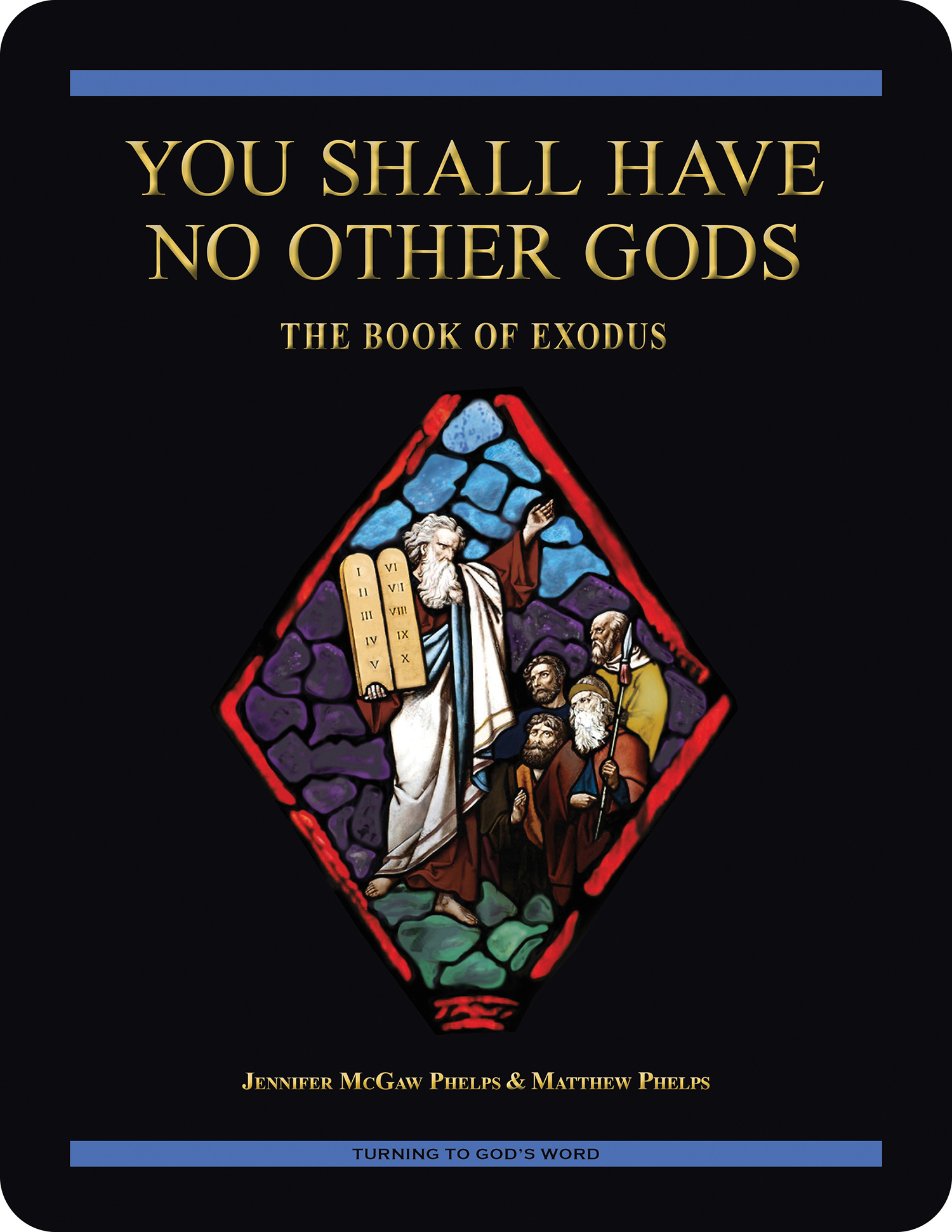 You Shall Have No Other Gods: The Book of Exodus, a 28-lesson Catholic Bible study with an imprimatur, provides an in-depth look at how significant events in biblical history that occurred thousands of years ago to descendants of Jacob remain relevant and even critical for present-day Christians to understand. The deliverance of the Hebrews from slavery in Egypt and the giving of Ten Commandments are examined along with the development of Moses’ relationship to God. Click here to view a sample of the first lesson.
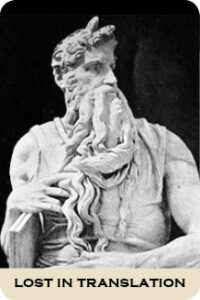
 Click on the picture of the statue of Moses with horns (above) to learn more about Lost in Translation. A new entry is archived each Monday. Contact us to receive Lost in Translation by email every week. You may use any of the contact links on our website to ask Matthew a question.