
Ordinary Time
 Although the word ordinary usually is thought to mean common and run-of-the mill, that’s not the reason that the Church designates a large portion of the liturgical year as Ordinary Time.
Following the feast of the Baptism of the Lord, we once again enter the season of Ordinary Time. After the liturgical seasons of Advent and Christmas, this marks a significant change. In English, the word ordinary has taken on meaning that makes it a synonym of normal, but originally, it had an entirely different meaning.
In grammar, a distinction is made between two different types of numbers, cardinal numbers and ordinal numbers. Cardinal numbers are numbers that stand alone as nouns, e.g. one, two, seventy-five, etc. Ordinal numbers are numbers that are used as adjectives, e.g. first, third, seventeenth, etc.
Ordinary Time takes its name from these ordinal numbers as it counts the weeks of the year. As we celebrate Ordinary Time, we are marking and measuring the passage of time through the year. Such counting helps us to be aware of the time that has passed and of the time that yet remains for us in this liturgical year.
related topics: Advent; Happy Christmas; jubilee pilgrimage; subordinate; time; times & seasons
you also may like our study of the Letter to the Hebrews (digital only)
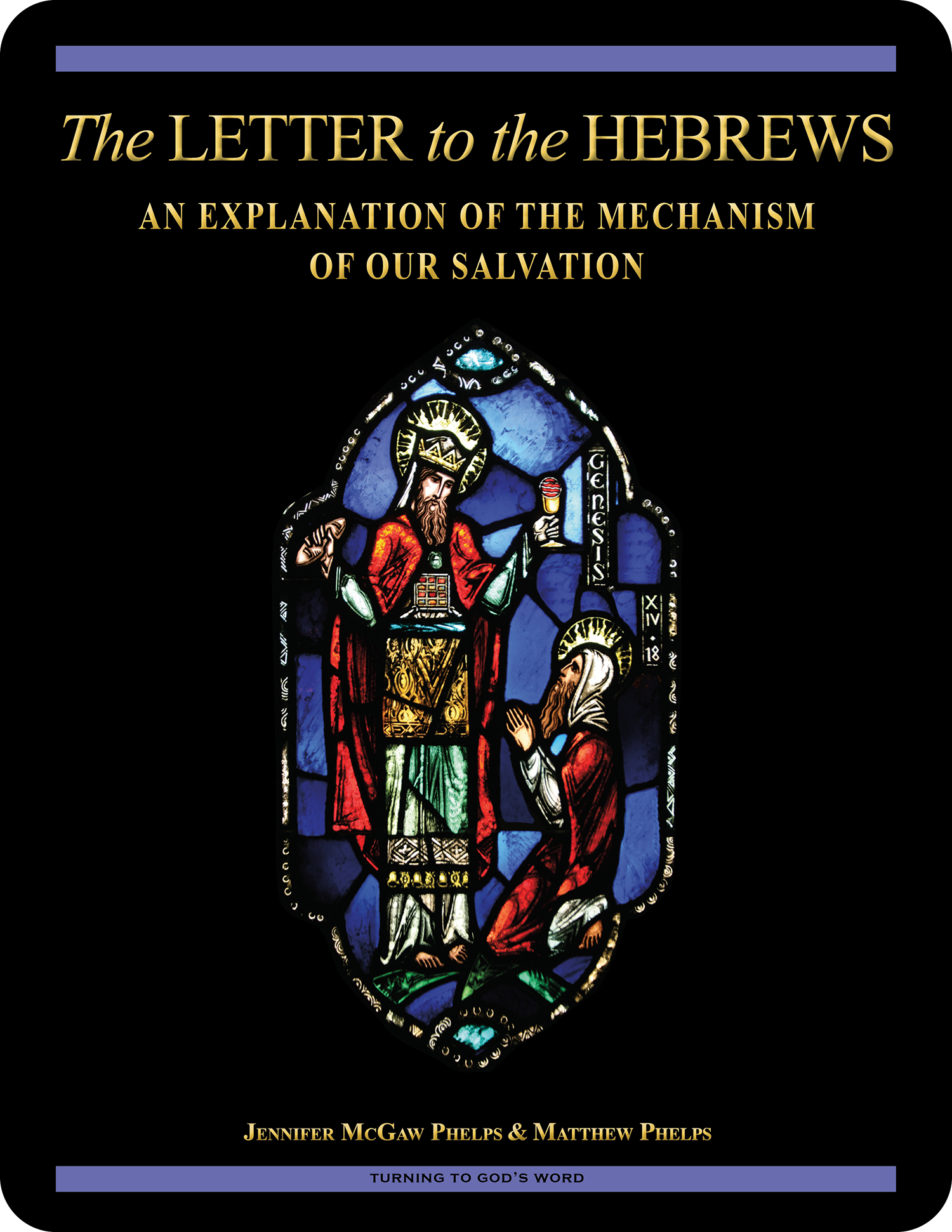 Many Christians struggle to understand one of the central mysteries of our faith: how Jesus can be both human and divine at the same time. The Letter to the Hebrews: An Explanation of the Mechanism of Our Salvation, an 18-lesson Catholic Bible study with an imprimatur, offers an in-depth look at the way in which Jesus’ dual nature allows for the salvation of humanity. The Letter to the Hebrews is designed to provide information that will encourage Christians to remain faithful. Click here to view a sample of the first lesson.
 Click on the picture of the statue of Moses with horns (above) to learn more about Lost in Translation. A new entry is archived each Monday. Contact us to receive Lost in Translation by email every week. You may use any of the contact links on our website to ask Matthew a question.