
prayer as barter
 Have you ever considered a prayer as a form of barter? Perhaps no translation issue is more relevant to our Christian lives today than the idea of prayer expressed in the Gospel According to Matthew 5:44. I’ve translated this verse as: “I say to you, ‘Love your enemies and offer prayers on behalf of the ones pursuing you.'”
The English word pray literally means “ask,” and Latin carries the same meaning. From this point of view, when we pray, we’re asking for something. Greek does not necessarily carry the same underlying meaning.
The Greek verb εὔχομαι and related words express prayer. This word does contain the meaning of asking God for something, but it seems to me that’s a secondary meaning to the idea of making a vow or promise to God. The fundamental view in Greek religion and also throughout much of the Old Testament was that we could offer to give something to God in exchange for him giving something to us. The Greek concept contains all aspects of this view of prayer or praying as bartering.
How does this look for us today? Christianity largely has abandoned this view of prayer as cutting a deal with God, but perhaps we shouldn’t have. In a certain sense, this mentality is useful in that it prevents us from feeling entitled to receive favors from God. People in the ancient world believed that they had to show themselves worthy of God’s favor rather than simply asking for it. What have you done recently to win God’s favor? Do you think that God has expectations regarding your behavior, and if so, what might those expectations be?
related topics: covenant; prayer
you also may like our study of the book of Revelation
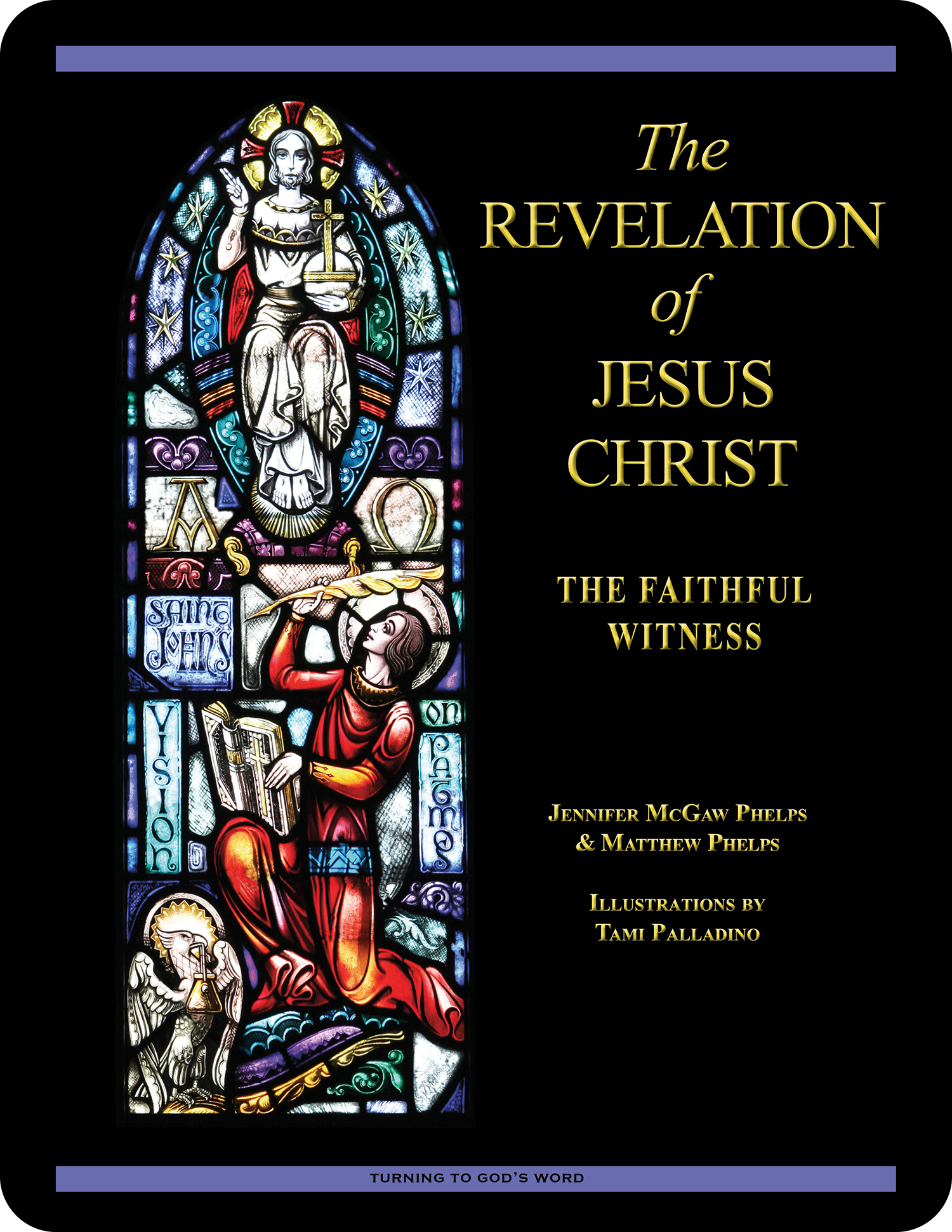 The Revelation of Jesus Christ: The Faithful Witness, a 23-lesson Catholic Bible study with an imprimatur, examines ways in which our traditional Christian view of heaven is built on Hebrew apocalyptic visions recorded in the Old Testament. This recently revised study includes maps and additional commentary and takes a close look at the role of the prophets in present-day Christianity. Illustrations by Tami Palladino depict the often-misunderstood images in the book of Revelation. Click here to view a sample of the first lesson.
 Click on the picture of the statue of Moses with horns (above) to learn more about Lost in Translation. A new entry is archived each Monday. Contact us to receive Lost in Translation by email every week. You may use any of the contact links on our website to ask Matthew a question.