
prune
 The fifteenth chapter of the Gospel According to John (NABRE) describes the work of Jesus Christ building his Church using the image of pruning a vine. This powerful and significant image addresses the idea of qualifying or earning a place in God’s kingdom. Within this image, the Greek text contains a fascinating and important double meaning that’s lost in translation.The word translated as “prune,” καθαίρω (kathaireo), comes from a root meaning “to cleanse.” This root can refer specifically to pruning, though more broadly it refers to any sort of cleansing. The same root is used to describe any Old Testament concepts of cleanness or purity. With that in mind, the statement in the Gospel According to John 15:2 (NABRE), “… and every one that does he prunes so that it bears more fruit,” takes on a double meaning of either pruning or cleansing. Note that this pruning or cleansing is not about removing branches but rather about helping those branches bear more fruit. Any branch, then, that bears any fruit Jesus refines through a process of cleansing or pruning, and the double meaning here suggests that that cleansing is based on Old Testament purity rules and practices.
you also may like our study of the book of Exodus
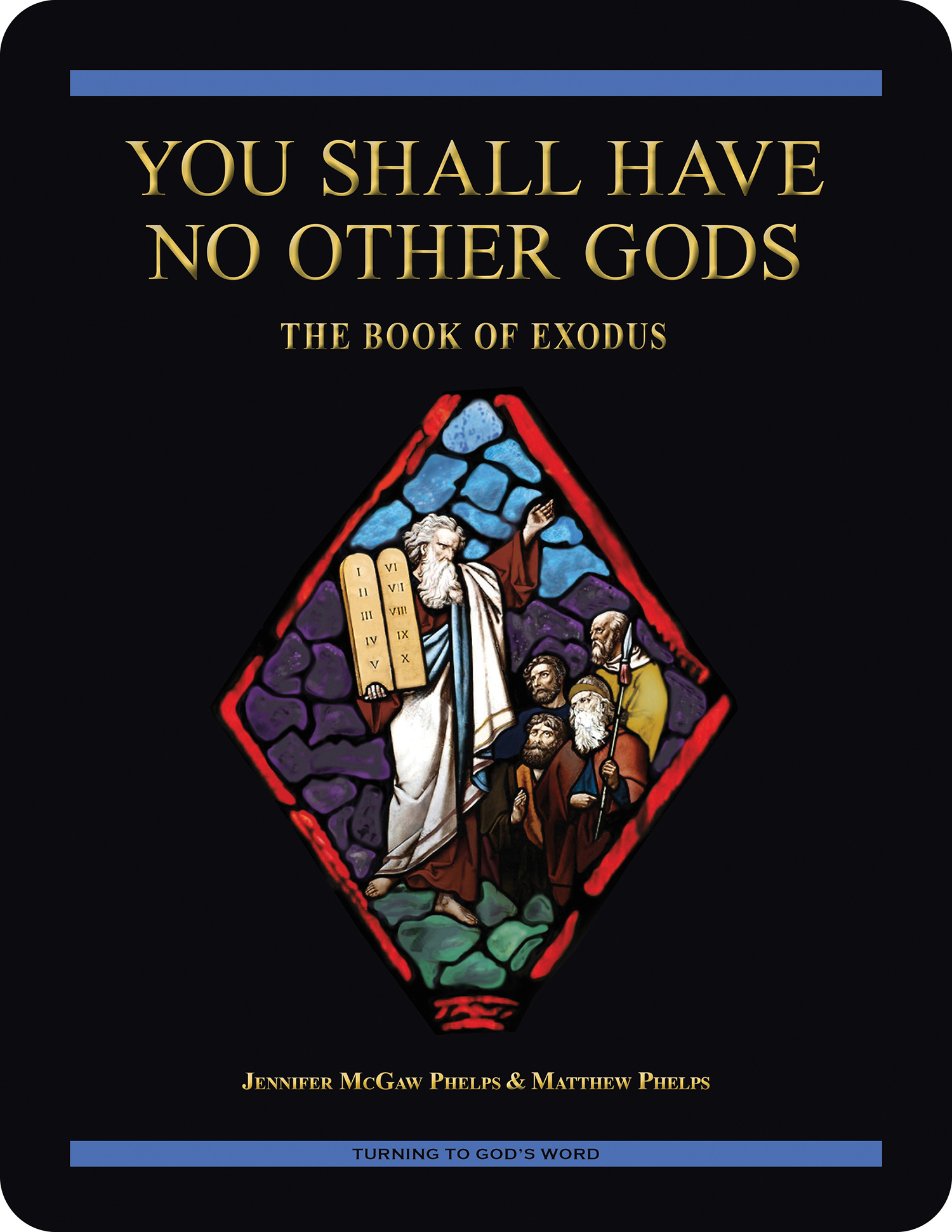 You Shall Have No Other Gods: The Book of Exodus, a 28-lesson Catholic Bible study with an imprimatur, provides an in-depth look at how significant events in biblical history that occurred thousands of years ago to descendants of Jacob remain relevant and even critical for present-day Christians to understand. The deliverance of the Hebrews from slavery in Egypt and the giving of Ten Commandments are examined along with the development of Moses’ relationship to God. Click here to view a sample of the first lesson.
 Click on the picture of the statue of Moses with horns (above) to learn more about Lost in Translation. A new entry is archived each Monday. Contact us to receive Lost in Translation by email every week. You may use any of the contact links on our website to ask Matthew a question.