
Satan & Be-elzebul
 In the Gospel According to Matthew 12:22–32 (NABRE), we encounter two concepts for the devil that come from Hebrew, Satan and Be-elzebul. The word Satan comes from a Hebrew word that means “adversary.” Be-elzebul means “the Lord of the high place,” and is used as a name for various pagan gods. The ancients would set up altars to false gods on various high places, a practice God denounces throughout the Old Testament. The word “Be-elzebub” often is substituted for Be-elzebul and means “lord of the flies.”
Why do you think it is that the ancients had many different words for the devil? Why do you think that we as Christians view all of these words as referring to the same thing? Do you believe that there is a single devil? What characteristics do these two words suggest are most important about the devil?
related topics: demonic possession; evil; Evil One
you also may like our study of the book of Genesis
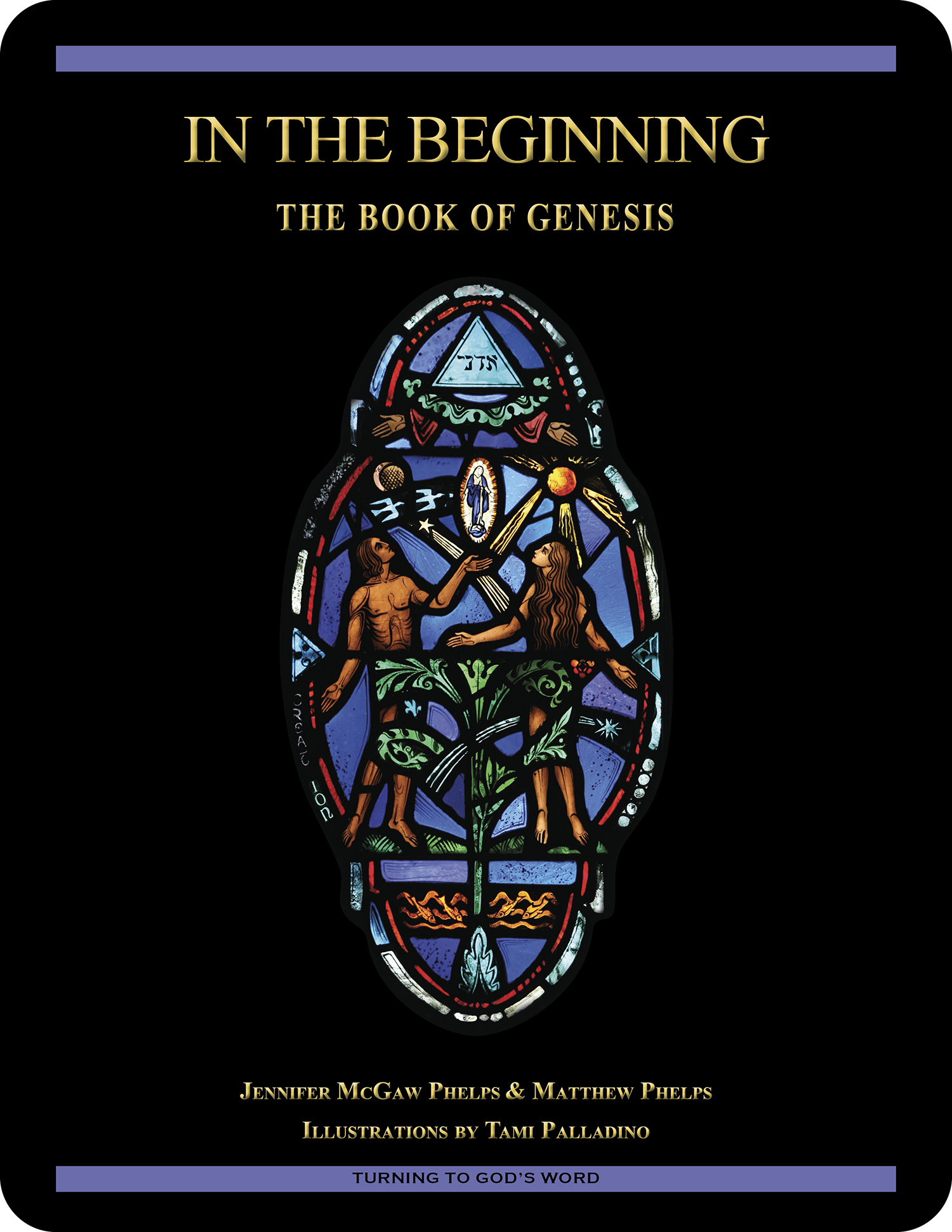 The first seven lessons of In the Beginning: The Book of Genesis, a 28-lesson Catholic Bible study with an imprimatur, provide an in-depth look at the very earliest biblical history—including the two accounts of Creation, events surrounding the Fall of Adam and Eve, the relationship between Cain and Abel, and the baptismal foreshadowing present in the account of Noah and the Flood. Remaining lessons look at lives of the patriarchs Abraham, Isaac, Jacob, and Joseph. Click here to view a sample of the first lesson.
 Click on the picture of the statue of Moses with horns (above) to learn more about Lost in Translation. A new entry is archived each Monday. Contact us to receive Lost in Translation by email every week. You may use any of the contact links on our website to ask Matthew a question.