strength / power / ability
 The Second Letter of Paul to the Corinthians and the Gospel According to Mark both address the concept of power, strength, or ability. While these concepts can seem separate in translation, a single Greek root connects power made perfect through weakness with Jesus’ inability to perform works.
The Second Letter of Paul to the Corinthians 12:7–10 (NABRE) contains two mentions of the concept of power—”for power is made perfect in weakness” and “in order that the power of Christ may dwell with me.” The Greek word δύναμις (dunamis), is the root behind the English words “dynamic” and “dynamite.” It refers to strength or power and more broadly also comes to mean ability.
In the Gospel According to Mark 6:5 (NABRE), we see that Jesus “was not able to perform any mighty deed there.” The word translated as “able” and the word translated as “mighty deed” both come from the same root used by Paul. This passage is often seen as perplexing. We believe that God is omnipotent or all-powerful, so how and why could Jesus not do anything?
One possible explanation is that God will not heal us if we do not accept his healing, and so Jesus could not help people without acting against their will. This idea is consistent with other places in the Gospels where faith is seen as a prerequisite for God acting in peoples’ lives.
Where is God acting in your life? Are there any places where you think you could be preventing him from acting?
you also may like our study of the Letter to the Hebrews (digital only)
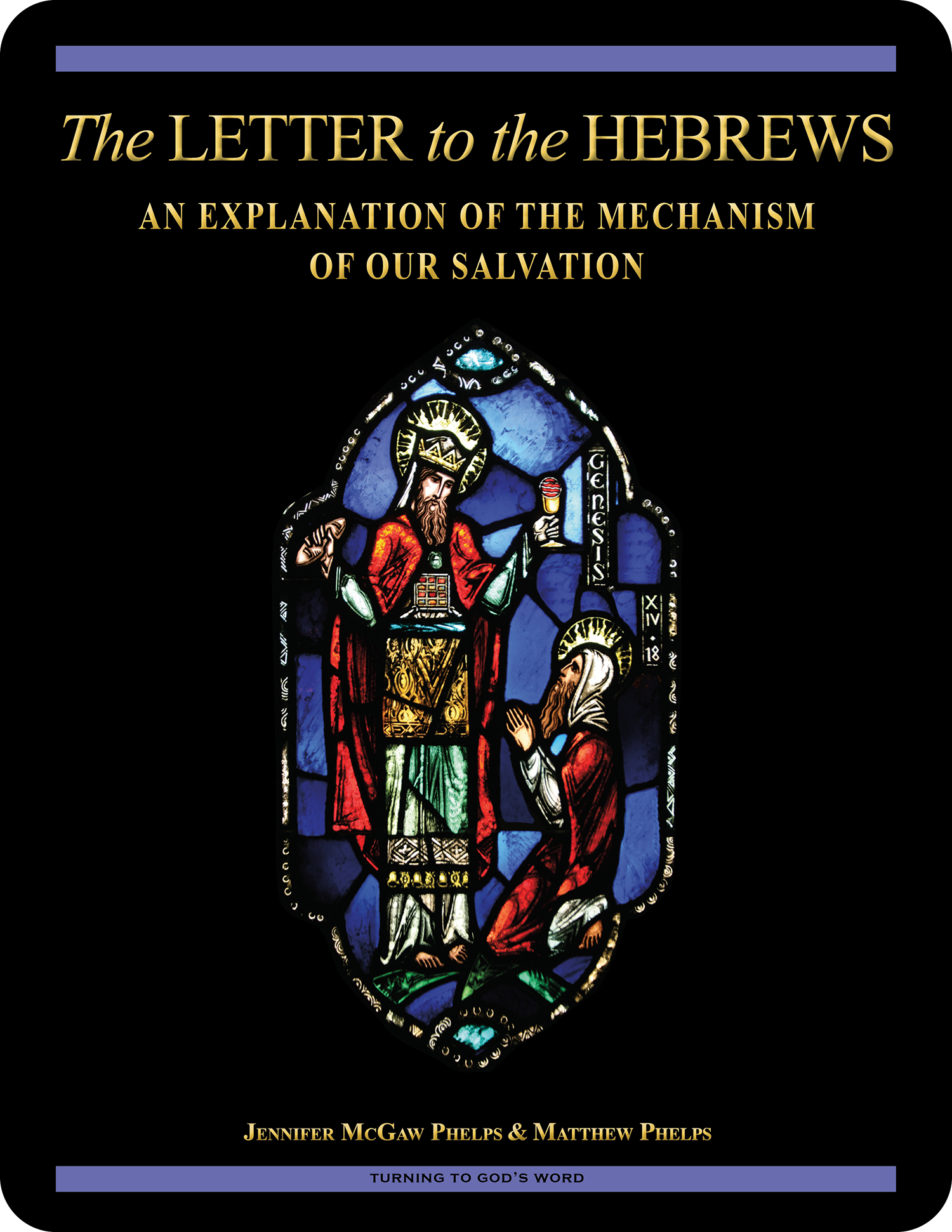 Many Christians struggle to understand one of the central mysteries of our faith: how Jesus can be both human and divine at the same time. The Letter to the Hebrews: An Explanation of the Mechanism of Our Salvation, an 18-lesson Catholic Bible study with an imprimatur, offers an in-depth look at the way in which Jesus’ dual nature allows for the salvation of humanity. The Letter to the Hebrews is designed to provide information that will encourage Christians to remain faithful. Click here to view a sample of the first lesson.
 Click on the picture of the statue of Moses with horns (above) to learn more about Lost in Translation. A new entry is archived each Monday. Contact us to receive Lost in Translation by email every week. You may use any of the contact links on our website to ask Matthew a question.