
thinking
 In eighth chapter in the Gospel According to Mark (NABRE), Peter has a big win when he correctly identifies who Jesus is, but this is followed almost immediately by a setback when Peter shows that he doesn’t really fully understand what that means at this point. It seems to be a bit odd that Peter can have such insight one minute and be so far wrong the next. Let’s look a bit more at where Peter goes wrong.
Jesus rebukes Peter in the Gospel According to Mark 8:33 (NABRE) for “thinking not as God does, but as human beings do.” The word translated here as thinking is φρονέω (phroneo). This word comes from the Greek word φρήν (phen), which refers to the diaphragm or mid-section of a person. It comes to be associated with thinking because the ancient Greeks believed that the mind was in this area, though they used the word νοῦς (nous) to refer to the intellect. This distinction is important because the kind of thinking Peter is doing is very much with his gut.
Peter has an emotional response to Jesus’ prediction of the Passion and acts on that response. It’s in this unconsidered emotional reaction that Jesus sees Satan acting.
Consider in your own life where such reactions have led you astray. How might we better be able to avoid such rash responses in the future?
you also may like our study of the Letter to the Hebrews (digital only)
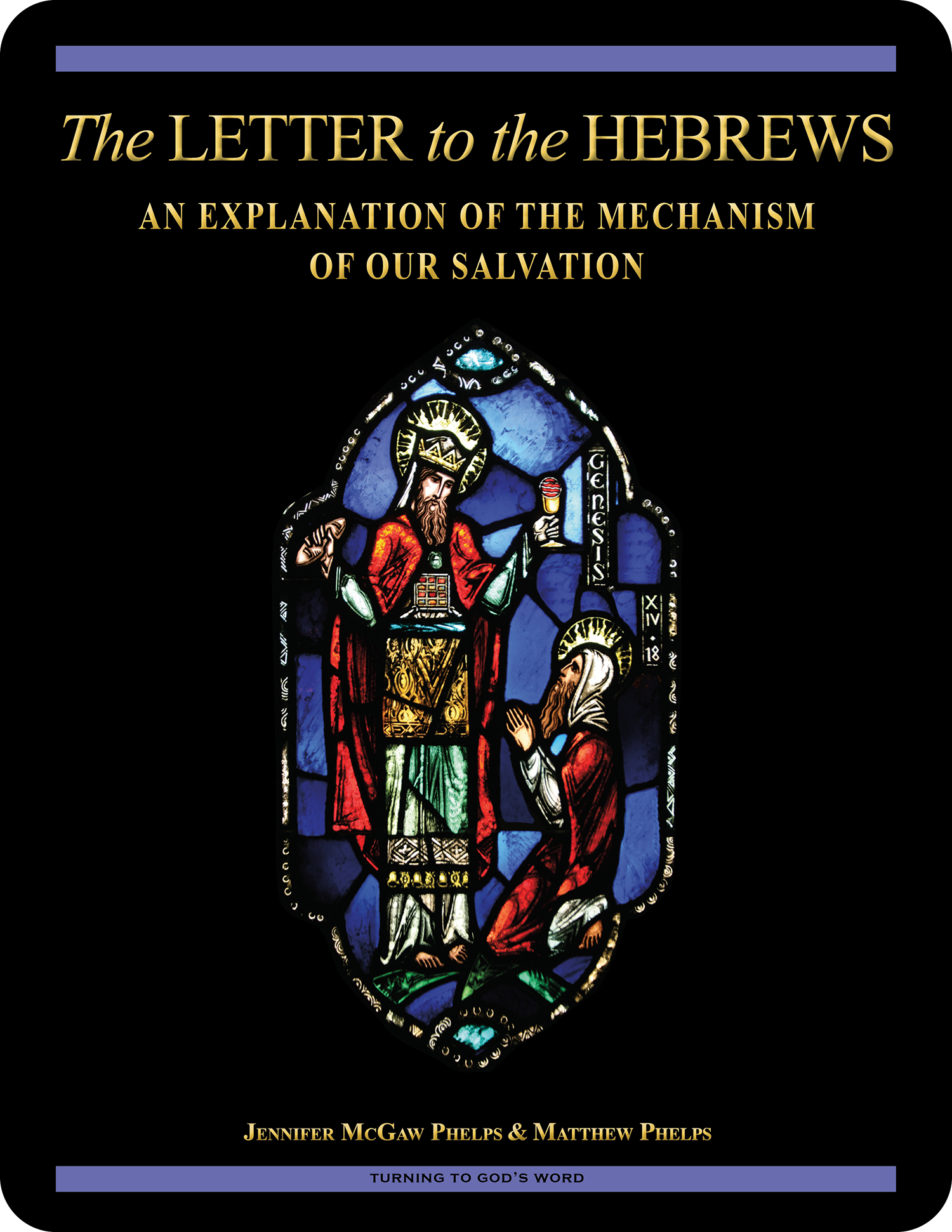 Many Christians struggle to understand one of the central mysteries of our faith: how Jesus can be both human and divine at the same time. The Letter to the Hebrews: An Explanation of the Mechanism of Our Salvation, an 18-lesson Catholic Bible study with an imprimatur, offers an in-depth look at the way in which Jesus’ dual nature allows for the salvation of humanity. The Letter to the Hebrews is designed to provide information that will encourage Christians to remain faithful. Click here to view a sample of the first lesson.
 Click on the picture of the statue of Moses with horns (above) to learn more about Lost in Translation. A new entry is archived each Monday. Contact us to receive Lost in Translation by email every week. You may use any of the contact links on our website to ask Matthew a question.