
time
 As we approach the end of Ordinary Time, our Mass readings focus on completion and the end or fullness of time. In the Gospel According to Luke 21:5–19 (NABRE), Jesus talks about the eventual destruction of the Temple in Jerusalem, which becomes a metaphor for the destruction of all things.
The reading addresses how people will know when the time has come and creates the impression that there is a set point in time, i.e. a specific date, when all these things are ordained to happen. The Greek concept presented here, though, is somewhat different. The Greek word καιρός (kairos) most literally means “a due measure” or “fullness.” When used in a temporal sense, this word can mean something like “in the fullness of time,” but it additionally could refer to the need to meet specific requirements—when everything is ready.
How does this emphasis in meaning affect your view of the end times? When do you think it is that Jesus will return?
related topics: Ordinary Time; times & seasons
you also may like our study of Saul, David & Solomon (digital only)
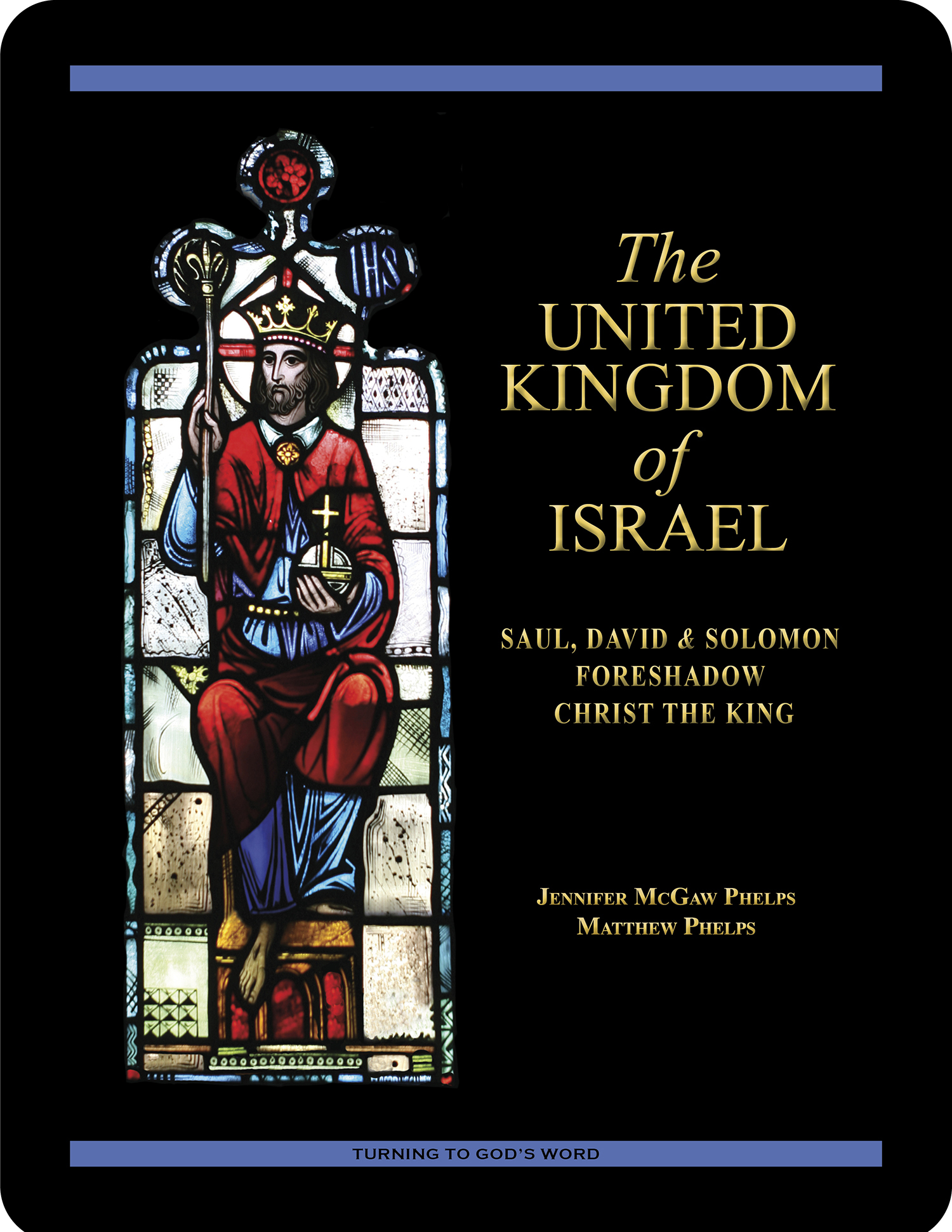 The United Kingdom of Israel: Saul, David & Solomon Foreshadow Christ the King, a 28-lesson Catholic Bible study with an imprimatur, provides an in-depth look at the First and Second Books of Samuel to learn how the lives of the monarchs Saul, David, and Solomon point ahead to the kingdom of heaven. The unified reign of King David is seen as a foreshadowing or type of the unity that is one of the four marks of the Church—the kingdom of God—established by Jesus Christ. Click here to view a sample of the first lesson.
 Click on the picture of the statue of Moses with horns (above) to learn more about Lost in Translation. A new entry is archived each Monday. Contact us to receive Lost in Translation by email every week. You may use any of the contact links on our website to ask Matthew a question.