
witness & testimony
 As we reflect on the cost and conflict that comes with proclaiming the word of God, the Letter to the Hebrews 12:1 (NABRE) reminds us that we are surrounded by a great cloud of witnesses. Within the context of Christianity, bearing witness came to have a special sense, and the Greek word for witness came to be associated with giving one’s life for the Gospel.
The Greek word that means witness, μαρτυρία (marturia), also is the root of the English word “martyr,” though it originally had nothing directly to do with death or dying. Rather, in its root form, marturia is a legal word, and the testimony or witness to which it applies is testimony in the legal sense of the word.
Jesus came to bear witness to the saving love and power of God for his people, and that witness took the form of his death and Resurrection. This powerful witness of Jesus Christ is the foundation of our Church, but it also is the mission and call of the Church. We’re all called to continue to bear the same witness—even to the point of death.
related topics: conscience; religious law
you also may like our study of the Gospel According to John
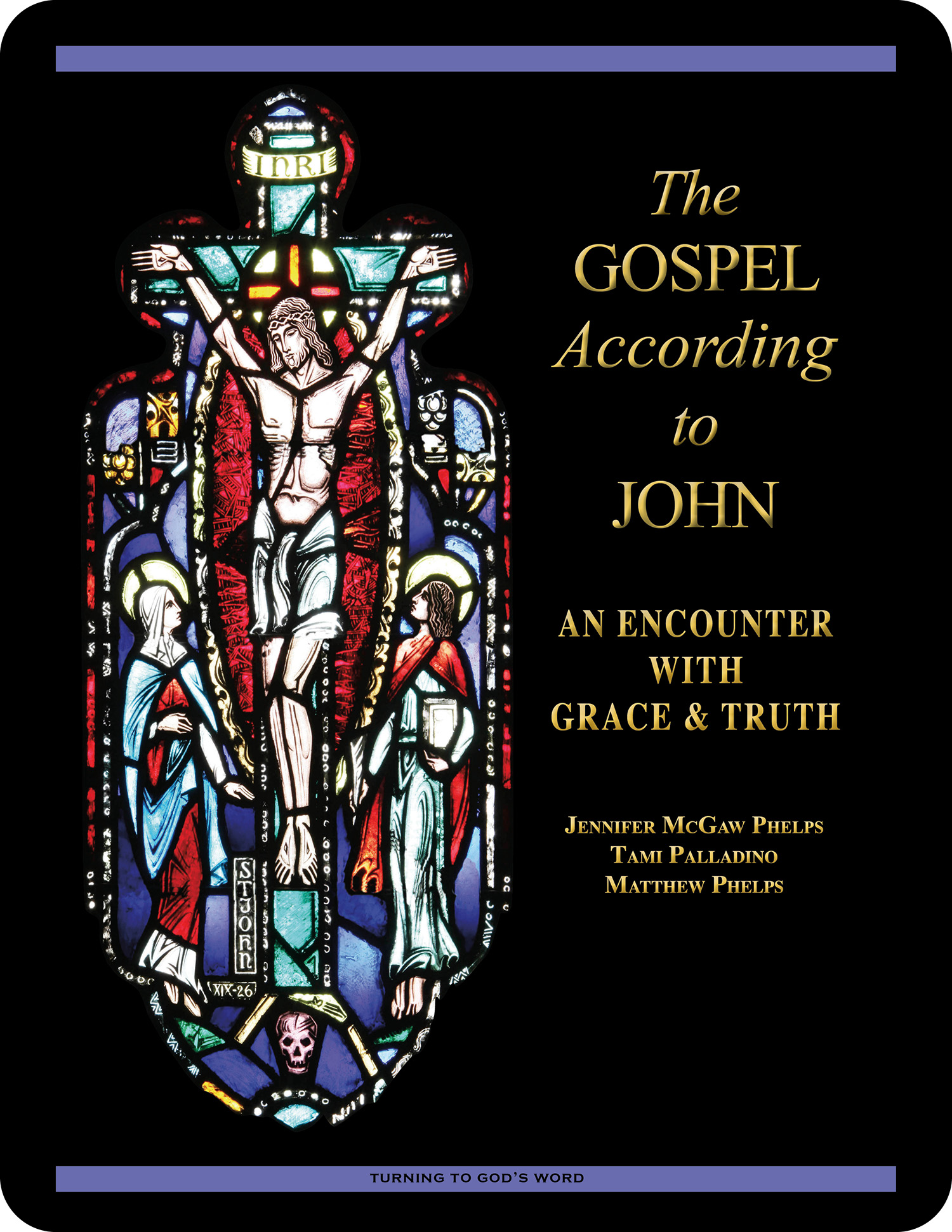 The Gospel According to John: An Encounter with Grace & Truth, a 25-lesson Catholic Bible study with an imprimatur, examines the Fourth Gospel’s view of Jesus Christ as the Son of God, with special emphasis on the institution of the sacraments of the Church as the means by which Christians are purified and made holy. This recently revised study includes maps and additional commentary, and takes a closer look at the way in which Jesus relates to individual men and women. Click here to view a sample of the first lesson.
 Click on the picture of the statue of Moses with horns (above) to learn more about Lost in Translation. A new entry is archived each Monday. Contact us to receive Lost in Translation by email every week. You may use any of the contact links on our website to ask Matthew a question.