
zeal
 The Gospel According to John 2:13–22 (NABRE) describes Jesus driving the money changers from the Temple. Jesus’ followers see his actions and recall the passage from Psalm 69:10 (NABRE): “Zeal for your house has consumed me.” What is it about Jesus’ behavior that caused his disciples to think of this psalm? The concept of zeal or zealotry in our society has come to be associated with religious extremism, but the ancient roots convey a different meaning.
The Greek word ζῆλος (zelos) and the Hebrew word קִנְאָה (qinah) both have the same root meaning—jealousy. In its root sense, having zeal means being jealous. Jesus’ behavior driving out the moneylenders shows his jealousy for the true purpose of the Temple— worship of God. Jesus can’t abide other activities in the Temple that draw attention and worship away from God.
What do you think being zealous for God looks like today? If you were asked to describe a way in which you were zealous for God, what would you say? What are some problems encountered today by people who are zealous about their faith? Have you ever encountered such problems related to being zealous for God?
related topics: goodness; righteousness
you also may like our study of the book of Exodus
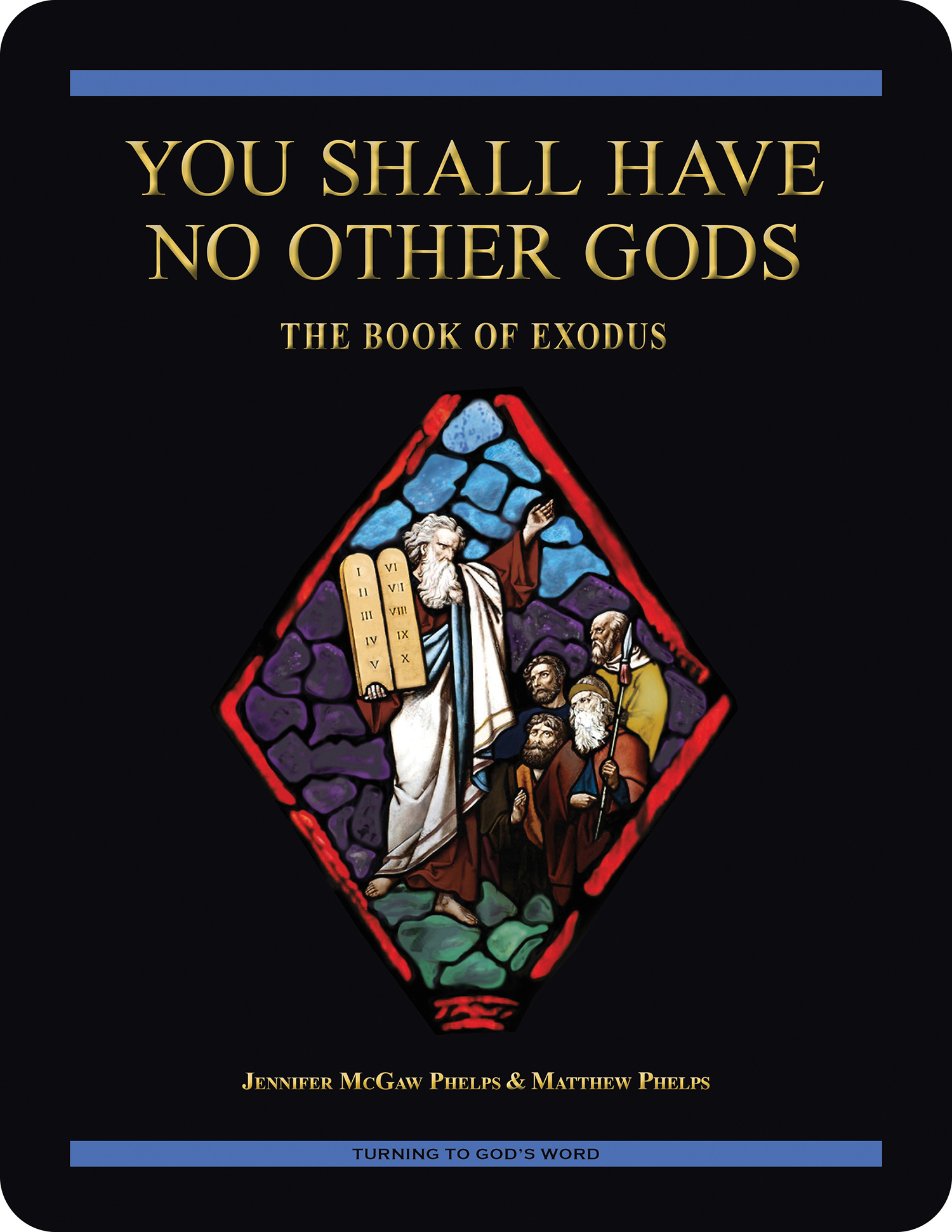 You Shall Have No Other Gods: The Book of Exodus, a 28-lesson Catholic Bible study with an imprimatur, provides an in-depth look at how significant events in biblical history that occurred thousands of years ago to descendants of Jacob remain relevant and even critical for present-day Christians to understand. The deliverance of the Hebrews from slavery in Egypt and the giving of Ten Commandments are examined along with the development of Moses’ relationship to God. Click here to view a sample of the first lesson.
 Click on the picture of the statue of Moses with horns (above) to learn more about Lost in Translation. A new entry is archived each Monday. Contact us to receive Lost in Translation by email every week. You may use any of the contact links on our website to ask Matthew a question.